“Auction website builder” covers products that are barely comparable: a $60 WordPress plugin, a hosted marketplace subscription, a licensed platform with source code, and a bespoke build. This guide sorts them into tiers and tells you honestly where each one stops working.
The dividing line that matters is not features. It is what happens in the last ninety seconds of a busy auction.
Tier 1: Plugins on an existing site
1. WooCommerce auction plugins
Cheapest route if you already run WordPress. Timed listings, basic proxy bidding, email notifications. Fine for a club sale, a school fundraiser or a low-volume seasonal auction.
Where it stops: concurrency at close, unreliable timer scheduling, and no auction-house functionality — no tiered increments, no buyer’s premium logic, no consignor settlement. Detail in when a plugin is not enough.

2. Shopify apps
Similar profile for Shopify stores. Adds bidding to an ecommerce platform that was not designed for it, with the same architectural limits.
Tier 2: Hosted marketplace platforms
3. Sharetribe
Excellent for getting a two-sided marketplace running fast with no code. Vendor onboarding, listings, payments, reviews. Auction functionality is limited or absent, which is the main constraint if bidding is your model.
4. Arcadier
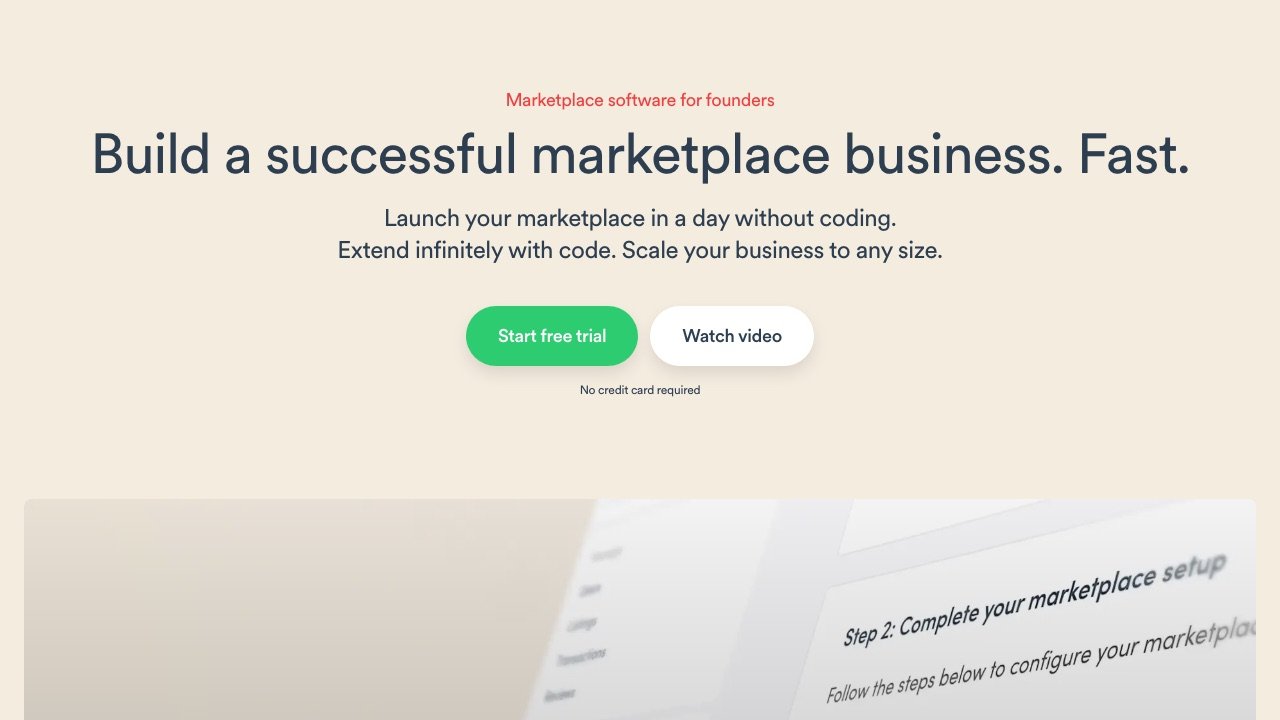
Comparable hosted platform supporting several marketplace models with somewhat more configuration flexibility. Still hosted, still rented, still bounded by vendor support.
Tier 3: Licensed software you own
5. CS-Cart Multi-Vendor
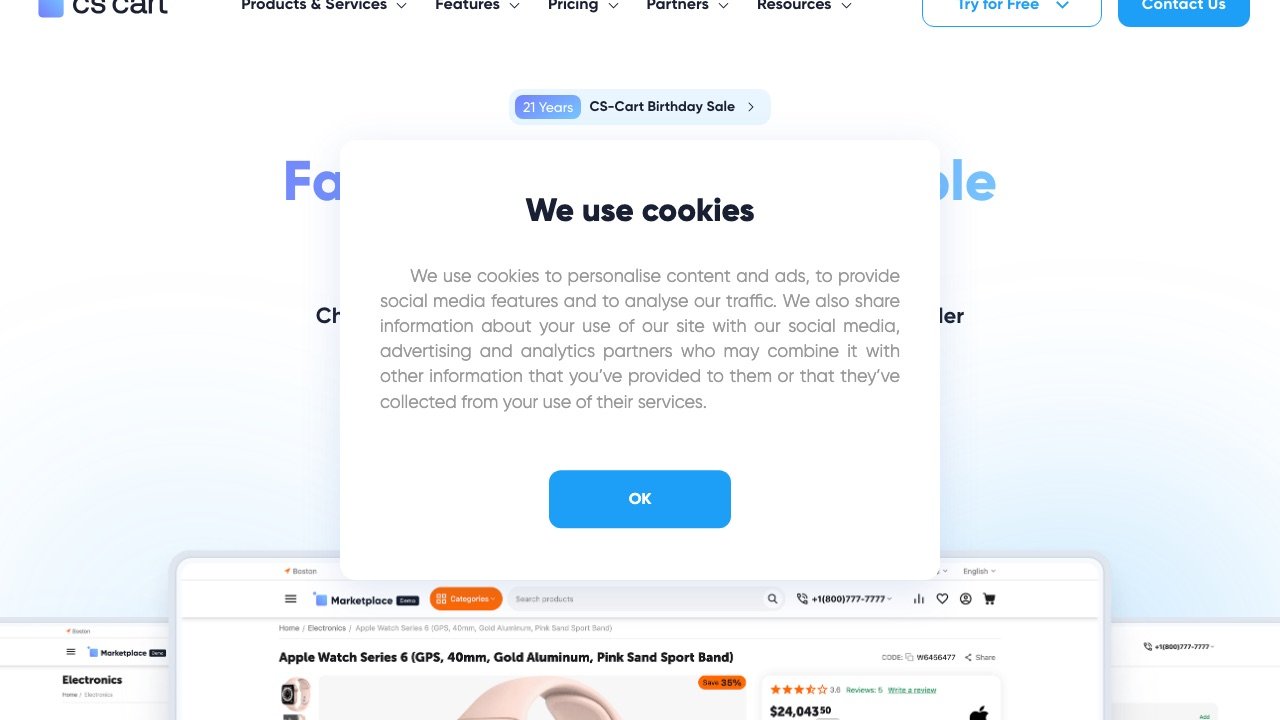
One-time licence, self-hosted, source included. Strong multi-vendor functionality — commissions, payouts, order splitting — with auction capability available through extension. You own the code and the data.
6. Purpose-built auction platforms
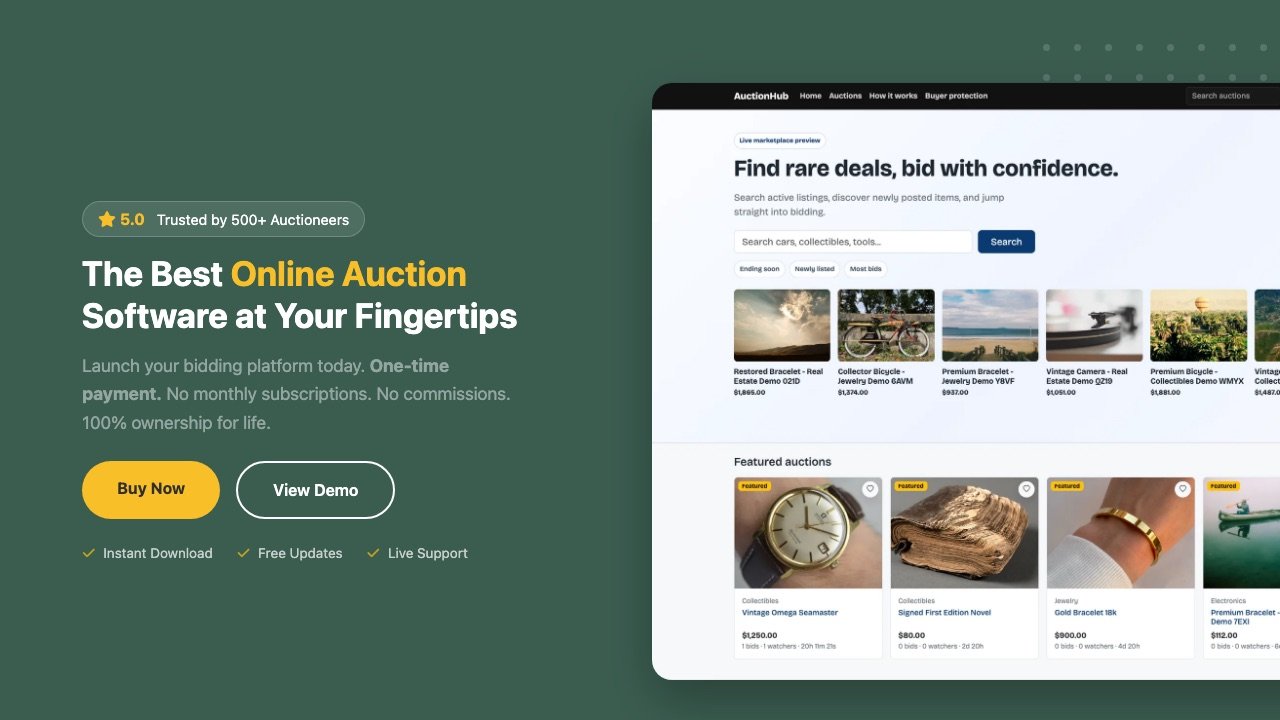
Software written for auctions rather than adapted from ecommerce. This is the tier where the bidding engine has actually been designed for the job: proper bid serialisation under concurrency, server-authoritative timers, reliable soft close, tiered increment tables, buyer’s premium with tax interaction, absentee and phone bids, and consignor settlement.
For anyone running auctions as a business rather than as a feature, this is the right starting point. See auction website builder and buy online auction software.
7. Embeddable bidding components
Bidding that runs inside your existing site rather than sending users elsewhere. A useful middle path when you have an established web presence you do not want to replace.
Tier 4: Custom
8. Licensed platform plus custom modules
Start from a proven engine, build only the parts specific to your market — a VIN decoder for vehicles, lien notice generation for storage, multi-parcel logic for land, inspection templates for equipment. Best value for most serious operators, because you only pay to build what is genuinely yours.
9. Full custom build
Justified when the bidding mechanism itself is the product — a novel format, an exchange-style order book, a regulated instrument. Not justified because you want a different layout.
The questions that separate the tiers
Ask any vendor these, and judge by the precision of the answer:
- How are concurrent bids on the same lot serialised? If there is no clear answer involving locking or an ordered bid log, the system will fail at close.
- What triggers auction closing? A real scheduler, or a page-visit-driven task queue?
- Is soft close reliable and configurable? Without it, hammer prices fall measurably.
- Tested concurrent bidder capacity? Ask for a number, not an adjective.
- Is there an immutable bid audit trail?
- Can you export everything and leave?
Choosing by situation
- One-off charity event — a hosted fundraising platform, not a website builder. See silent auction platforms.
- Testing whether anyone wants to bid — a plugin or a marketplace listing. Validate before building.
- Auction business, regular sales — licensed purpose-built platform.
- Specialist category with unusual requirements — licensed platform plus custom modules.
- Marketplace with many sellers plus bidding — licensed multi-vendor with auction capability. See multi-vendor marketplace platform.
Cost guidance is in what building an auction website costs, and the free routes in creating an auction website for free.
Frequently asked questions
What is the best auction website builder for beginners?
A licensed platform with a configuration package. Plugins look easier and cost more in failed auctions; custom builds are premature before you have proven demand.
Can I start cheap and upgrade later?
Yes, and it is usually the right sequence — but migrate before you outgrow the cheap version. Moving 200 users is easy; moving 5,000 is a project.
How long does it take to launch?
Plugin: a day. Hosted platform: a week. Licensed and branded: two to four weeks. Licensed plus custom modules: two to four months. Talk to our team for a scoped timeline.
