Every silent auction platform lists the same features. Mobile bidding, outbid alerts, reporting, checkout — the grids look identical, which is exactly why comparing them from marketing pages is useless.
What actually differs is fee structure, checkout speed, how the platform behaves on bad venue wifi, and whether you can get your donor data out. This list is organised by organisation size and judged on those.
Enterprise: multiple events, year-round programme
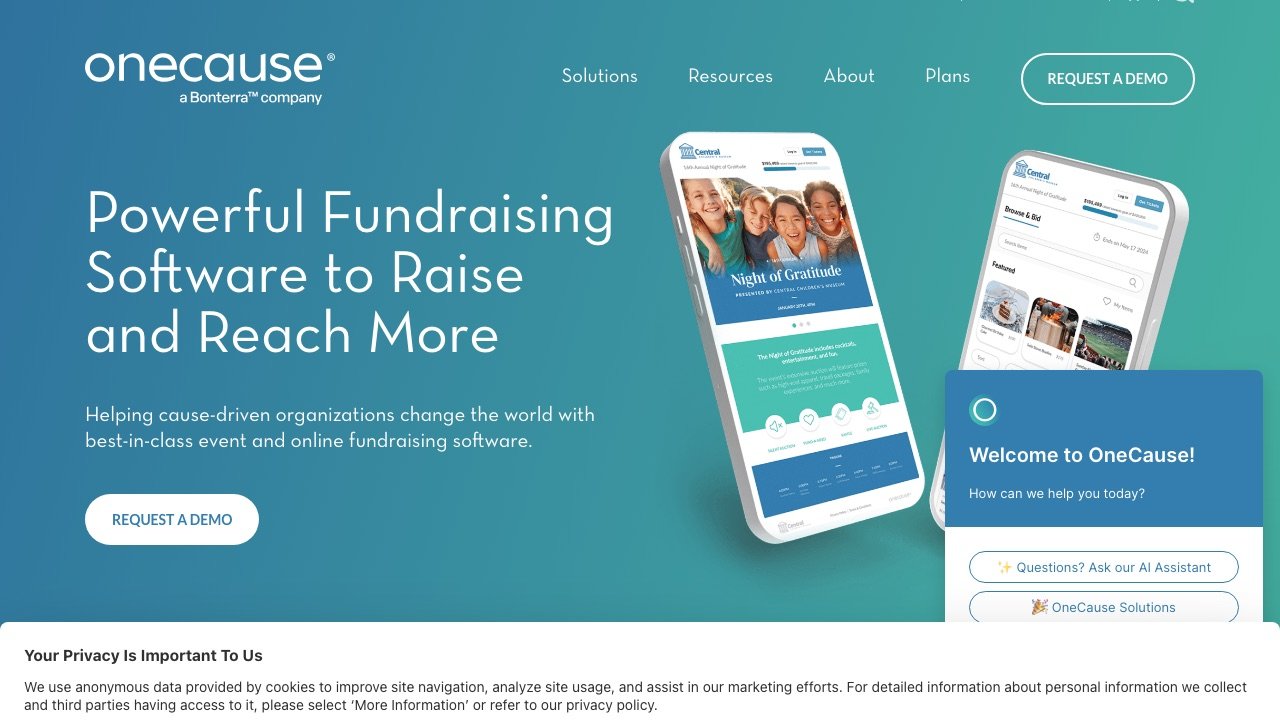
1. OneCause
Long established, covering ticketing, silent and live auction, text-to-give, peer-to-peer and donor management. Appropriate when auctions are a material, recurring part of your revenue and you need one system across everything. Priced accordingly.
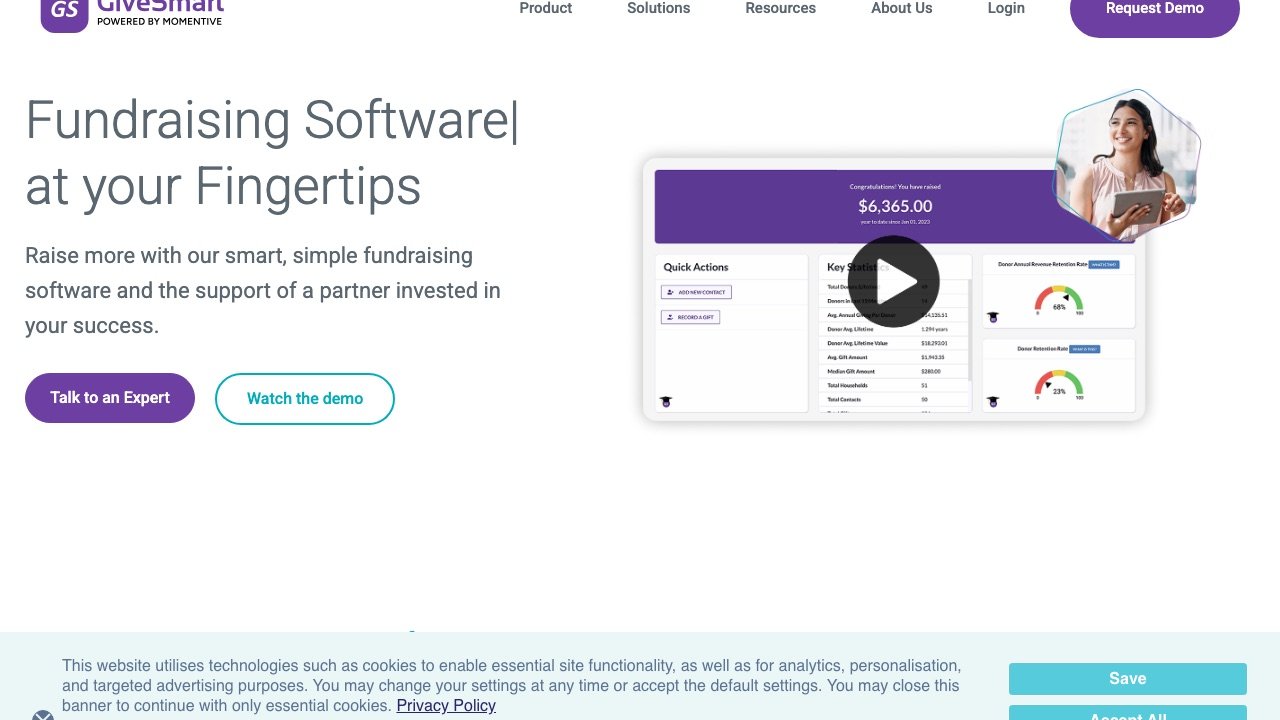
2. GiveSmart
Comparable breadth and the closest direct competitor. Always quote both — competitive tension moves pricing more reliably than negotiation does.
3. Greater Giving
Particularly strong on payment processing and the check-in/checkout workflow. At 400 guests, arrival and departure logistics shape the whole evening, and this is where the platform is genuinely differentiated.
4. Qgiv
Broader fundraising platform with capable auctions, suited to integrating events into recurring giving and campaigns rather than treating them separately.
Mid-market: one or two galas a year
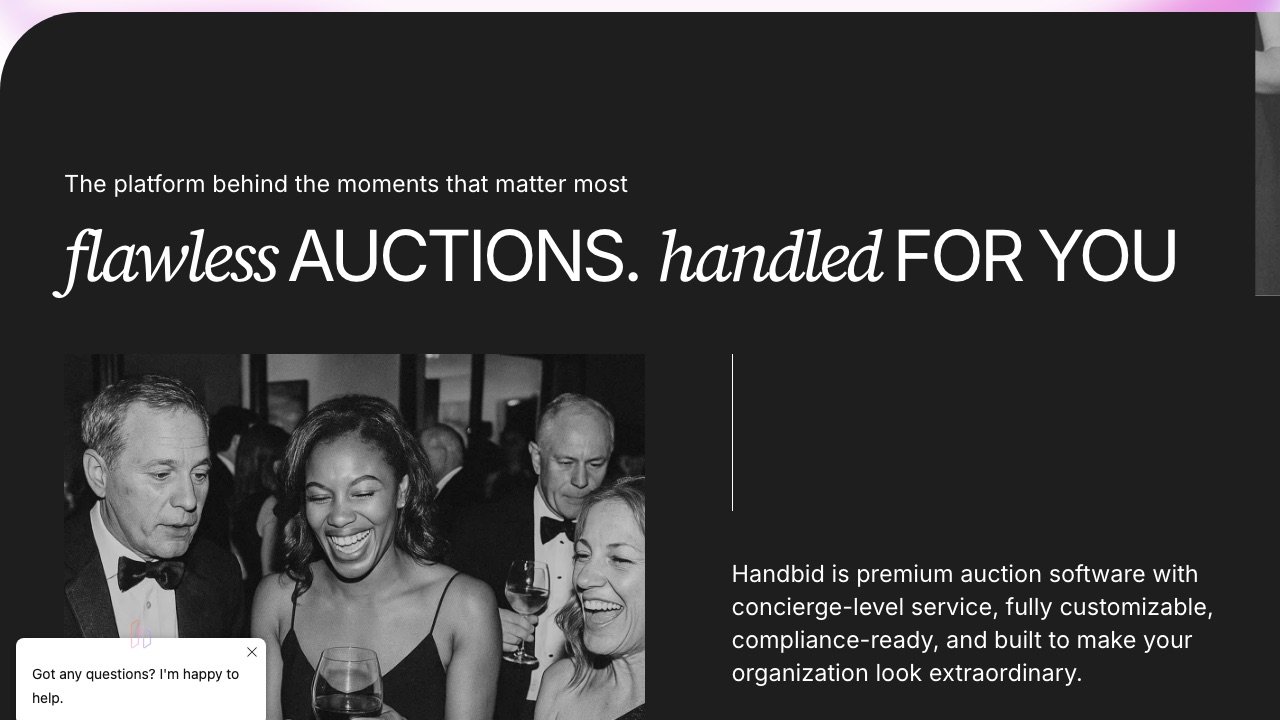
5. Handbid
Mobile-first with a genuinely well-designed bidder app and strong live event tooling — fund-a-need, paddle raise, leaderboards. For an organisation whose main need is a well-run gala, this frequently achieves the same result as an enterprise platform for meaningfully less.
6. Auctria
Strong item and donor management with transparent, flexible pricing. Popular with schools and community organisations and considerably more capable than its price suggests.
7. Accelevents
Event platform with solid auction functionality. The right answer when ticketing, sessions and sponsors need managing alongside the auction.
8. Silent Auction Pro
Long established, no-frills, priced for occasional events. The interface is dated; the functionality is adequate and the saving is real.
Budget and first-time events
9. 32auctions
A genuinely usable free tier funded by optional bidder contributions, with paid plans as you grow. The default starting point for school PTAs and small charities, and rightly so.
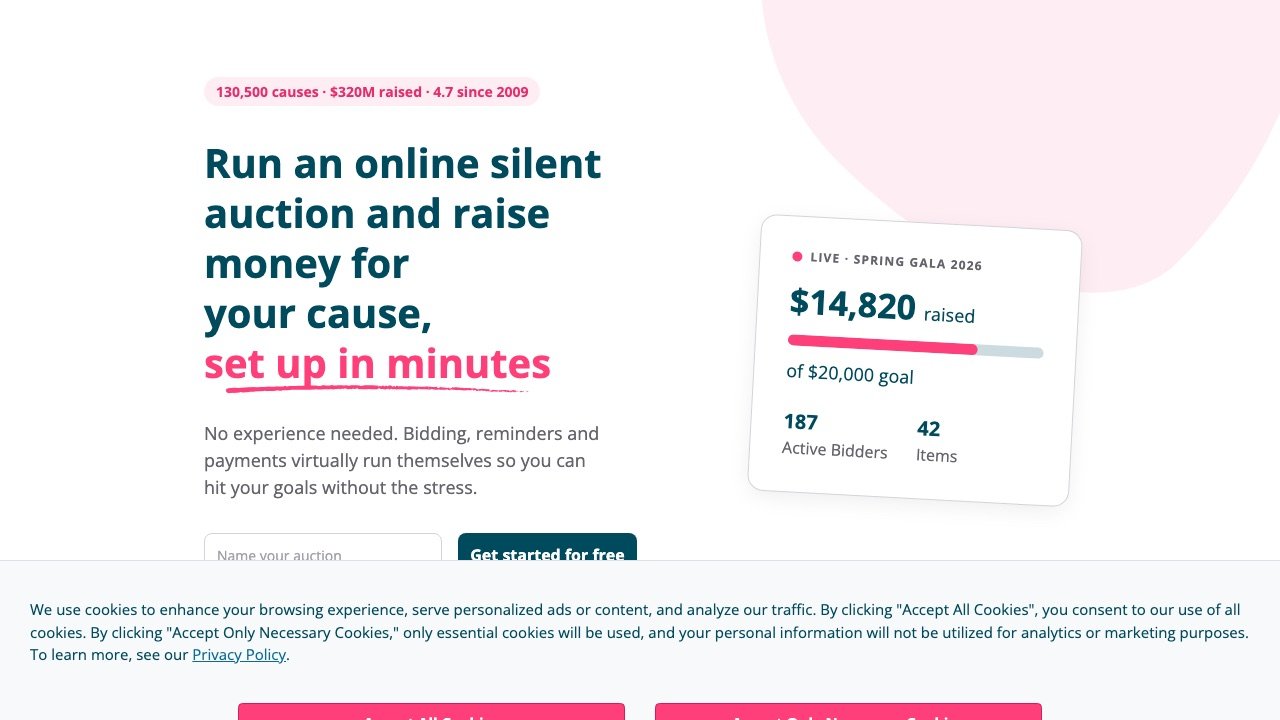
10. BiddingOwl
Purpose-built for silent auctions rather than adapted from an event platform. Affordable, straightforward, covers the essentials properly.
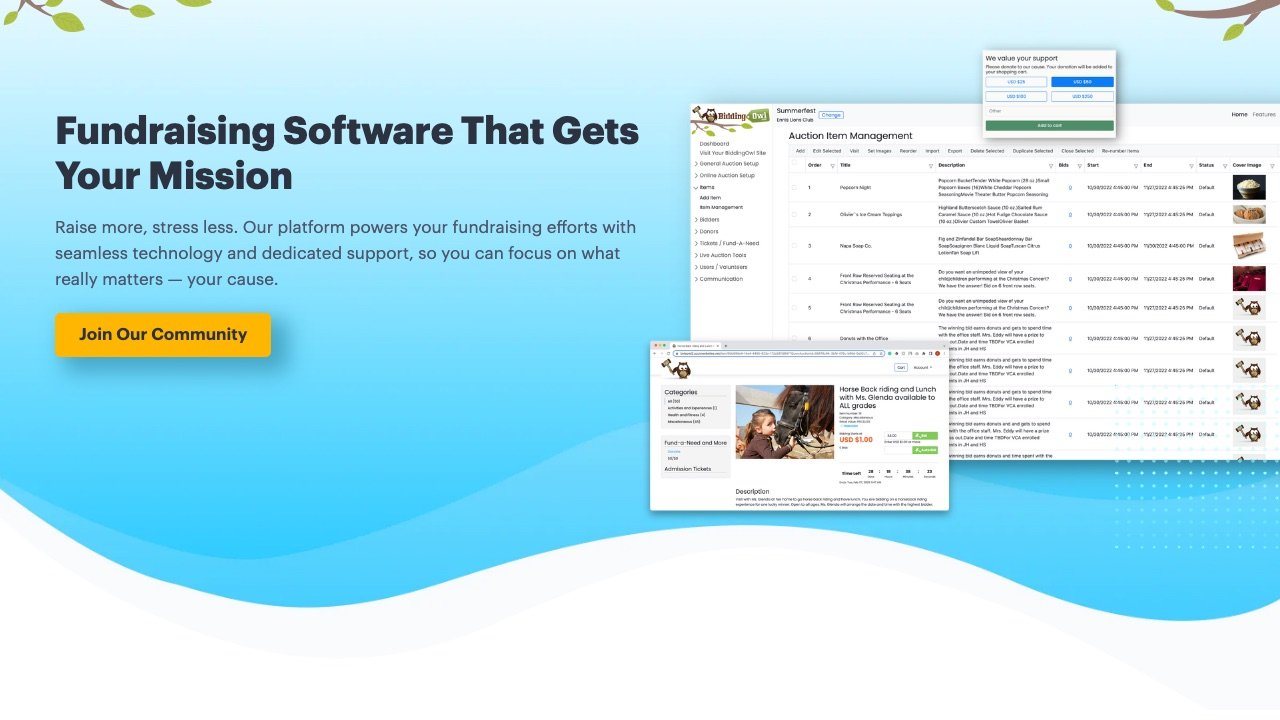
11. CharityAuctionsToday
Simple setup and transparent pricing, aimed squarely at organisations running one or two events a year.
12. Your own platform
For organisations running several events a year or a continuous online auction, cumulative per-event fees frequently exceed what an owned deployment costs — and every bidder becomes a donor record in your own CRM rather than a vendor’s. See silent auction software.
The four features that actually determine your total
Ignore the rest of the feature grid until you have confirmed these:
- Immediate outbid notifications, by both push and SMS. This is the single mechanism that drives repeat bidding, and repeat bidding is where your total comes from.
- Card on file at registration, charged automatically at close. Eliminates the checkout queue and takes collection rates to essentially 100%.
- Soft close — extending an item when a late bid lands. Prevents sniping and reliably lifts final prices.
- Full data export and CRM integration. If your bidder list is trapped in a vendor’s system, you are renting your own donors.
A cheap platform with all four will outperform an expensive one missing any of them.
Comparing cost honestly
Three fee structures exist and they produce very different outcomes:
- Flat platform fee — predictable, best when you raise a lot
- Percentage of funds raised — no upfront risk, expensive on a successful event
- Bidder-covered fee — an optional contribution at checkout, with typically high uptake, which can make the platform close to free
Payment processing is charged separately on essentially every platform. Compare it explicitly. And add staff time to configure the system, which is routinely the largest hidden cost.
Questions worth asking every vendor
- Does bidding require an app download, or does it work in a mobile browser?
- What happens to a bid placed while a phone briefly loses signal?
- Can we use our own payment processor?
- Can we export all bidder and donor data, and in what format?
- What support is available on event night, and is there a named contact?
- Are tax receipts generated with fair market value deducted automatically?
Related reading: how to run a silent auction, silent auction payment processing, OneCause alternatives and how non-profits triple donations with silent auction software.
Frequently asked questions
What is the best free silent auction software?
32auctions’ free tier is the most capable genuinely free option, funded by optional bidder contributions. Payment processing fees still apply.
How far in advance should we choose a platform?
At least eight weeks before the event. Item entry, configuration, testing and volunteer training consistently take longer than teams expect.
Do we need mobile bidding for a small event?
Below around 50 guests, paper may still be adequate. Above that, outbid notifications alone typically justify the cost — see auction software vs. paper bidding.
