SAP Ariba is comprehensive, deeply integrated with SAP, and expensive — in licence cost, in implementation time, and in the supplier friction its network model creates. Suppliers who must pay to transact with you are suppliers who price that cost back into their quotes.
Here are eight alternatives across the range, with an honest read on what each is actually for.
Enterprise suites
1. Coupa
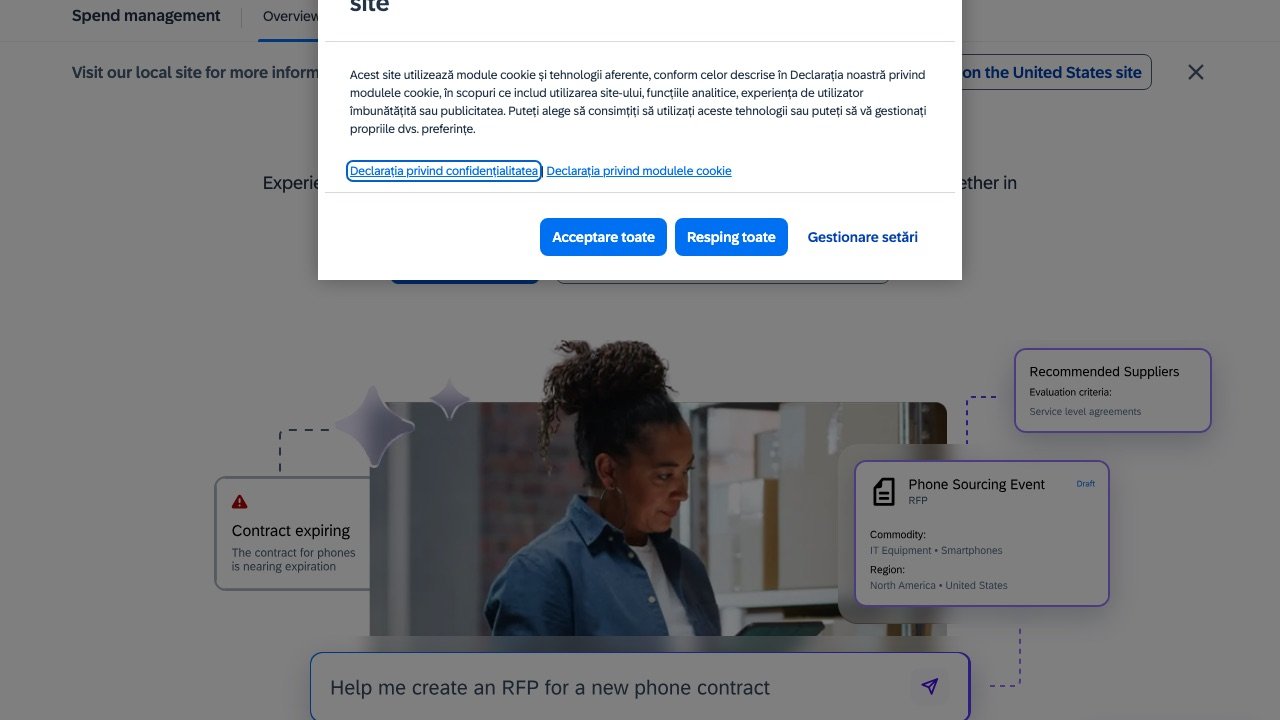
The main enterprise competitor. Broader spend management coverage — procurement, invoicing, expenses, payments — with sourcing and reverse auctions included. Generally regarded as easier to deploy than Ariba and with lower supplier friction, since suppliers are not charged network fees in the same way.
2. JAGGAER
Strong in higher education, healthcare, life sciences and manufacturing, with genuinely deep sourcing and supplier management. Particularly good in categories where compliance and supplier qualification are complex.
3. GEP SMART
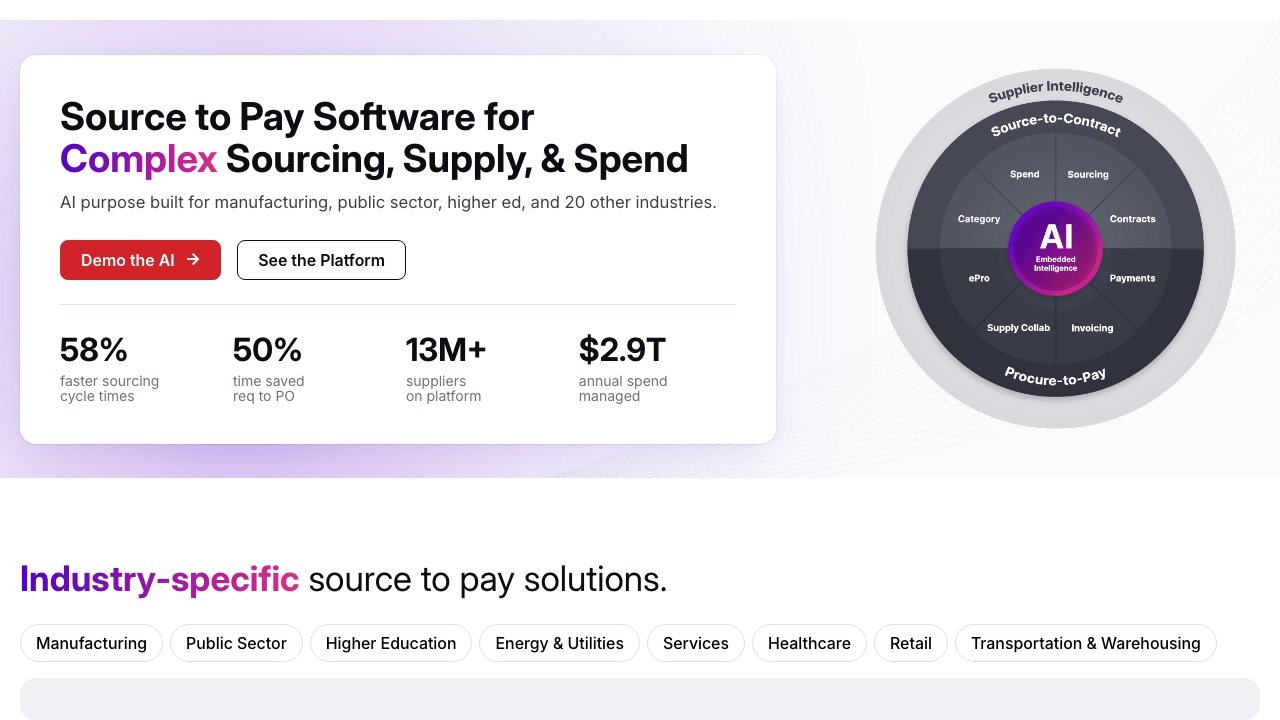
Unified source-to-pay with strong analytics and a services arm that will run the sourcing events for you. Relevant if your procurement team is small and you want capability without headcount.
4. Ivalua
Highly configurable source-to-pay, favoured by organisations with unusual processes that off-the-shelf suites cannot accommodate. Configurability cuts both ways — it means a longer implementation.
Focused sourcing and eAuction tools
5. Bonfire
Public sector focused, with strong evaluation scoring, compliance workflows and transparency features that procurement regulations require. Considerably lighter to deploy than a full suite.
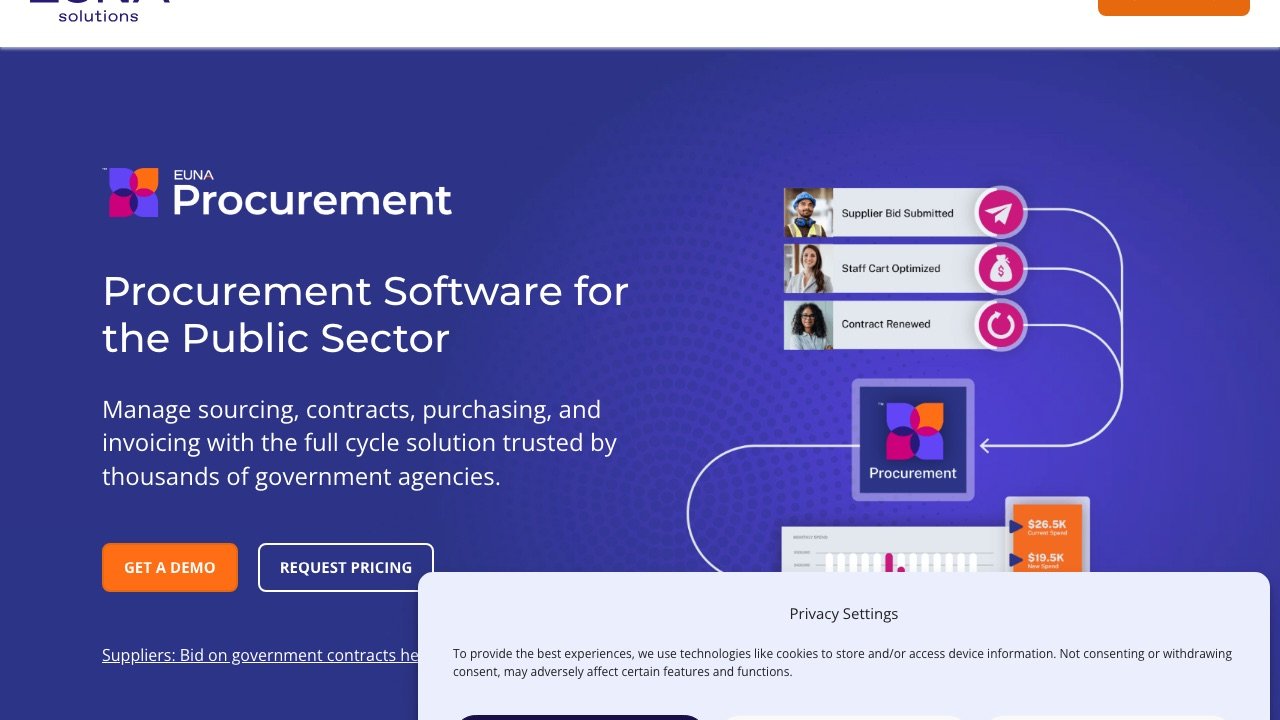
6. Unison Marketplace
Reverse auctions specifically for government buyers, with a managed service model. Long-established in US federal procurement. We covered the alternatives in commercial reverse auction platforms.

7. Scanmarket and Market Dojo
Focused eSourcing tools that do auctions and RFx well without the source-to-pay overhead. Much faster to deploy and considerably cheaper. If all you actually need is to run good sourcing events, these are frequently the correct answer.
The owned option
8. Your own sourcing platform
Increasingly viable, particularly for organisations with a stable supplier base or unusual category requirements. You control supplier onboarding entirely, there are no per-supplier network fees, the auction formats match your actual processes rather than a vendor’s assumptions, and integration with your ERP is built to your data model rather than around a generic connector.
See reverse auction software and building a private supplier portal.
How to choose properly
The questions that actually distinguish these platforms:
- What is the total cost of ownership over five years? Licence plus implementation plus internal admin plus supplier friction. Implementation frequently exceeds first-year licence.
- What do suppliers pay? Network fees get priced back into quotes. A platform that costs your suppliers money is costing you money.
- Which auction formats are genuinely supported? English reverse is universal. Japanese, Dutch reverse, rank-only and multi-parameter scoring are not. See what a reverse auction is for why the format matters.
- How hard is supplier onboarding? If a supplier needs two hours and a support call to submit a quote, participation drops and your auctions get thin.
- Does it integrate with your ERP? Award-to-purchase-order without re-keying is where the operational saving actually is.
- What does the audit trail look like? For regulated and public sector buyers this is a hard requirement, not a feature.
The honest assessment
Most organisations buying a full source-to-pay suite use a fraction of it. If your actual need is running competitive sourcing events well, a focused eSourcing tool or an owned platform will deliver that for a fraction of the cost and a fraction of the implementation time.
Buy the suite when you genuinely need source-to-pay integration across a large, complex organisation. Buy the tool when you need to run good auctions.
Related: Coupa alternatives, the best reverse auction platforms, and digitalizing your RFP process.
Frequently asked questions
Is Coupa cheaper than Ariba?
Typically lower total cost of ownership, driven more by faster implementation and lower supplier friction than by licence price. Get quotes for your specific scope.
Can we run reverse auctions without a full suite?
Yes. Focused eSourcing tools and owned platforms both handle auctions well. The suite buys integrated source-to-pay, which is a separate benefit.
How long does implementation take?
Enterprise suites commonly run six to eighteen months. Focused tools deploy in weeks. Owned platforms depend on scope. Talk to our team for a realistic estimate.
