Auctioneer software is judged on unglamorous things. How fast can a clerk record a sale during a live ring? How long does it take to lot 400 items from an estate? Does the consignor statement come out right without manual correction? Nobody buys this software for its homepage.
Here are ten platforms, with an honest read on what each is genuinely good at.
Established auction management systems
1. Auction Flex
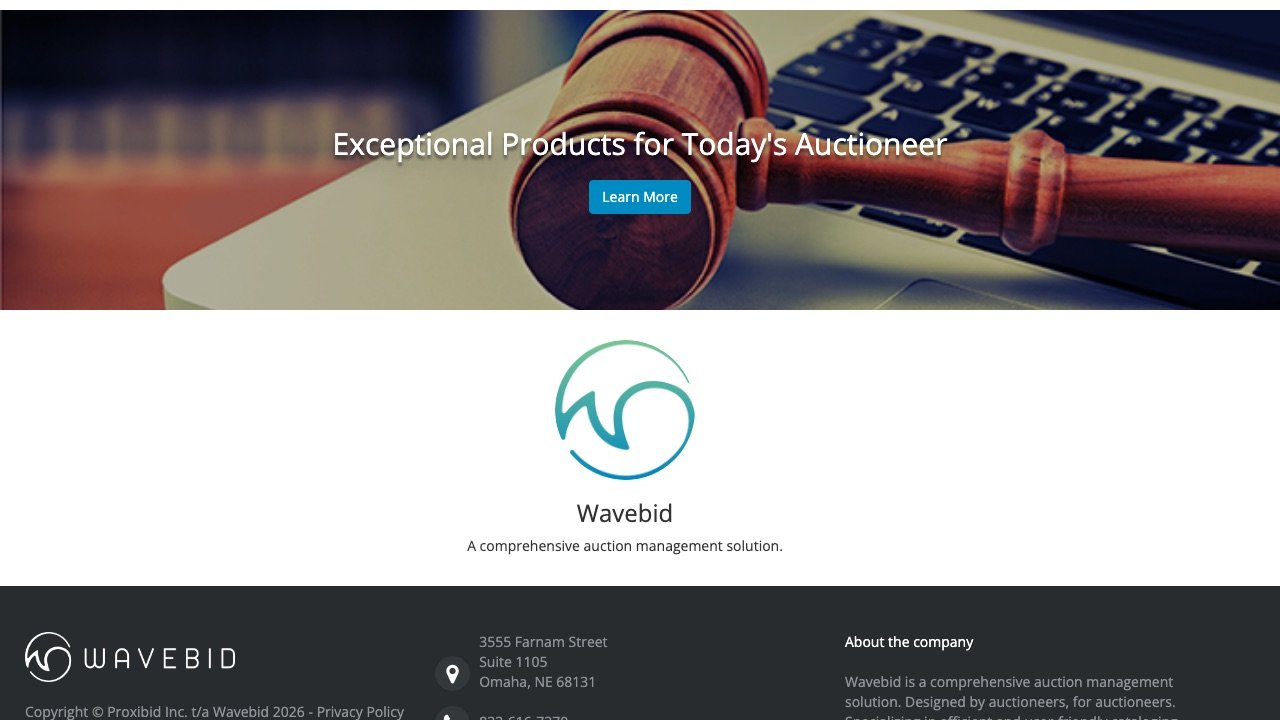
Long the default for a large share of North American auctioneers. Deep functionality across consignment intake, lotting, clerking, invoicing and settlement, with a matching online bidding platform. The interface reflects its age; the functionality is thorough and battle-tested.
2. Wavebid
More modern interface with strong cataloguing, mobile-friendly clerking and good online integration. Popular with houses that found the older systems cumbersome. Cloud-based, which matters if you run sales at multiple locations.
3. Maxanet
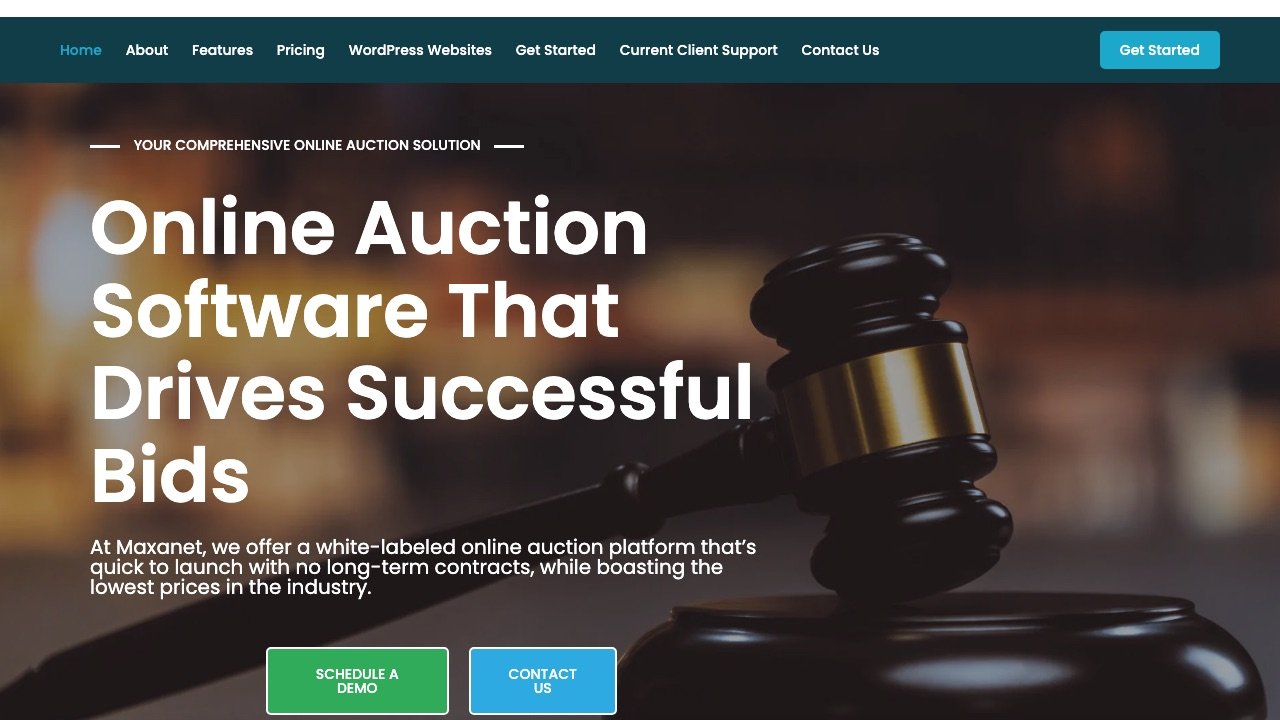
Long-established platform used widely for timed online sales. Straightforward and practical rather than feature-rich, which suits houses that want a tool rather than a suite.
4. AuctionMethod
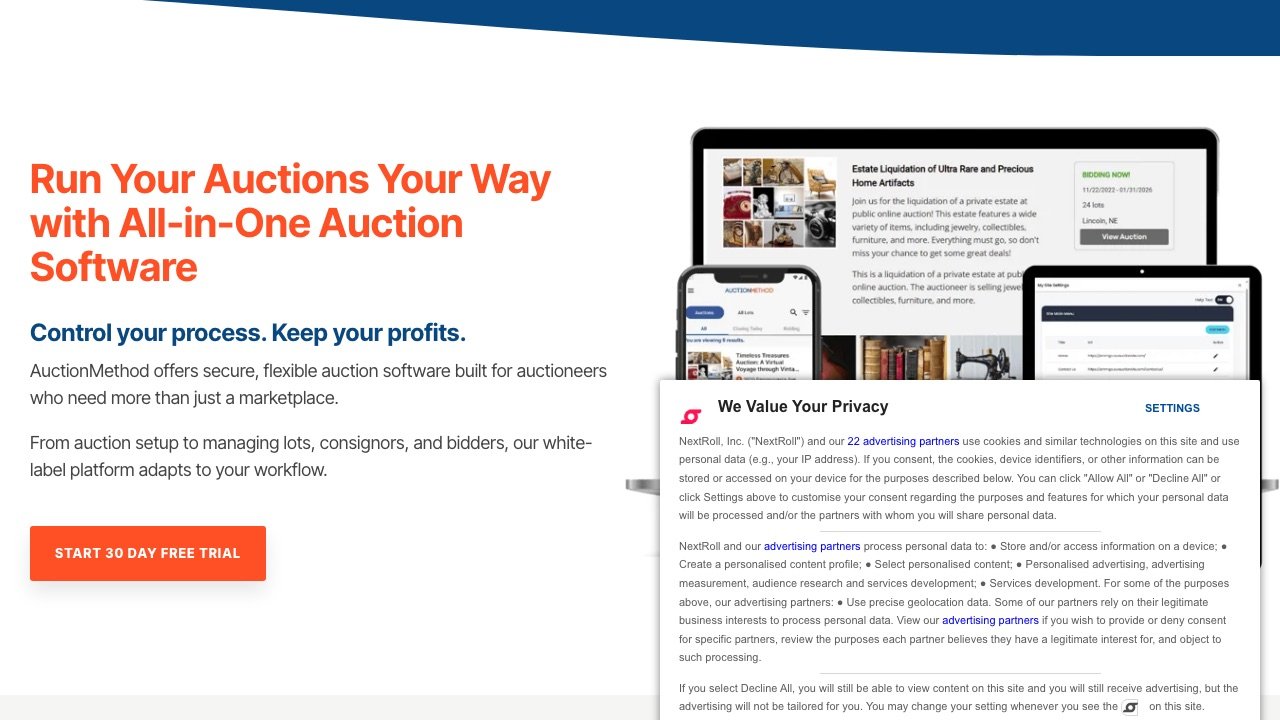
Auction house software with website and online bidding included, aimed at houses that want a single vendor for their web presence and their bidding.
Aggregator-attached platforms
5. HiBid (with Auction Flex)
The combination a great many auctioneers run. Auction Flex handles the back office, HiBid provides the online audience. It works, and the internet commission is what you pay for the audience.
6. Proxibid and 7. LiveAuctioneers platforms
Both provide bidding infrastructure alongside their marketplaces. Convenient, with the same structural trade-off — the platform owns the bidder relationship.
Category specialists
8. BidJS
Embeddable bidding that runs inside your own website rather than sending bidders elsewhere. A useful middle path for houses that want their own branded bidding without a full platform build.
9. EquipmentFacts and category platforms
Specialist bidding platforms for equipment, vehicles and other verticals, generally used alongside a separate back office system.
The owned option
10. Your own platform
Increasingly the direction established houses take. A branded bidding platform integrated with your back office, with aggregators used selectively as a marketing channel rather than as the default venue.
What changes: you keep the internet commission, you own the bidder list, you set your own terms and premium, and you get the behavioural data — which lots got watched, where bidders dropped out, what your real conversion is by category. See auctioneer software and auction management system.
What to actually evaluate
Demand demonstrations of these rather than accepting feature lists:
- Clerking speed under live conditions. Ask to see a clerk record ten consecutive lots at auction pace. This is where systems either work or do not.
- Bulk lot creation. An estate produces hundreds of lots in a day. If entry takes three minutes per lot, the system is unusable for that work.
- Consignor settlement accuracy. Ask to see a statement for a multi-lot consignment with mixed commission rates and expenses. Errors here cost you consignors.
- Premium and tax logic. Tiered premiums, different rates per sale, tax by buyer jurisdiction. Getting this wrong creates accounting problems at volume.
- Absentee and phone bid handling. Still genuinely important in many categories.
- Simulcast reliability. If you run live sales with online bidders, ask what happens when the saleroom connection drops.
- Data export. Your buyer and consignor lists must be yours, in a usable format.
The question underneath all of it
Whether you are building a business on your own bidder list or on someone else’s. Aggregators give you an audience today; an owned platform builds an asset over years.
Most houses land on a hybrid — own platform primary, aggregator selective — and that is generally the right answer. The mistake is defaulting into full aggregator dependence without ever measuring what it costs.
Related: HiBid alternatives, how much an auctioneer charges, and how to start an auction house.
Frequently asked questions
What does auctioneer software cost?
From modest monthly subscriptions for basic tools up to one-time licences for full platforms. Compare on five-year cost including internet commission, which is usually the largest number.
Can I use my own software and an aggregator together?
Yes, and most houses do. Timed sales run in parallel easily; simulcasting a live sale to multiple platforms adds real clerking complexity.
How hard is migrating from an old system?
The data itself is usually straightforward. The harder part is retraining staff mid-season — plan the switch for a quiet period. Talk to our team about migration.
