Starting an auction house is one of the few remaining businesses where a person with expertise, a licence and a laptop can compete with established firms. The barriers that used to matter — a saleroom, a printed catalogue, a local newspaper advertising budget — largely do not any more.
What has not changed is that the business runs on consignments, and consignments come from trust. Here is a practical path.
1. Licensing and legal setup
Requirements vary enormously by jurisdiction, and this is the step to get right before anything else. In the US, auctioneer licensing is state-level: some states require a licence, an examination, an apprenticeship and a surety bond; others require essentially nothing. Some cities and counties add their own requirements on top.
Typical items to work through:
- Auctioneer licence for every state you intend to operate in — including states you sell into, in some cases
- Surety bond, commonly in the tens of thousands of dollars of coverage
- Business entity formation and general liability insurance
- A trust or escrow account for consignor funds, which is a legal requirement in many jurisdictions and good practice everywhere
- Sales tax registration and an understanding of nexus rules if you sell across state lines
- Category-specific licensing — firearms, alcohol, vehicles and real estate all carry additional requirements
That consignor trust account point deserves emphasis. Commingling consignor proceeds with operating funds is the single most common way small auction businesses get into serious trouble, and in many places it is illegal.
2. Choose a niche, genuinely
The most common failure mode for a new auction house is trying to sell everything. Generalists compete on price and lose to established firms with better buyer lists.
Pick something you actually know. Specialist auctioneers in a defined category build a buyer list faster, achieve better prices, and can charge accordingly. Categories where a knowledgeable newcomer can genuinely compete include agricultural and equipment dispersals, estate and downsizing sales, specific collectible verticals, business liquidations, and vehicles.
The test is simple: could you look at a lot in this category and price it more accurately than a generalist? If not, choose differently.
3. Systems you actually need
Modern auction operations run on a fairly standard stack:
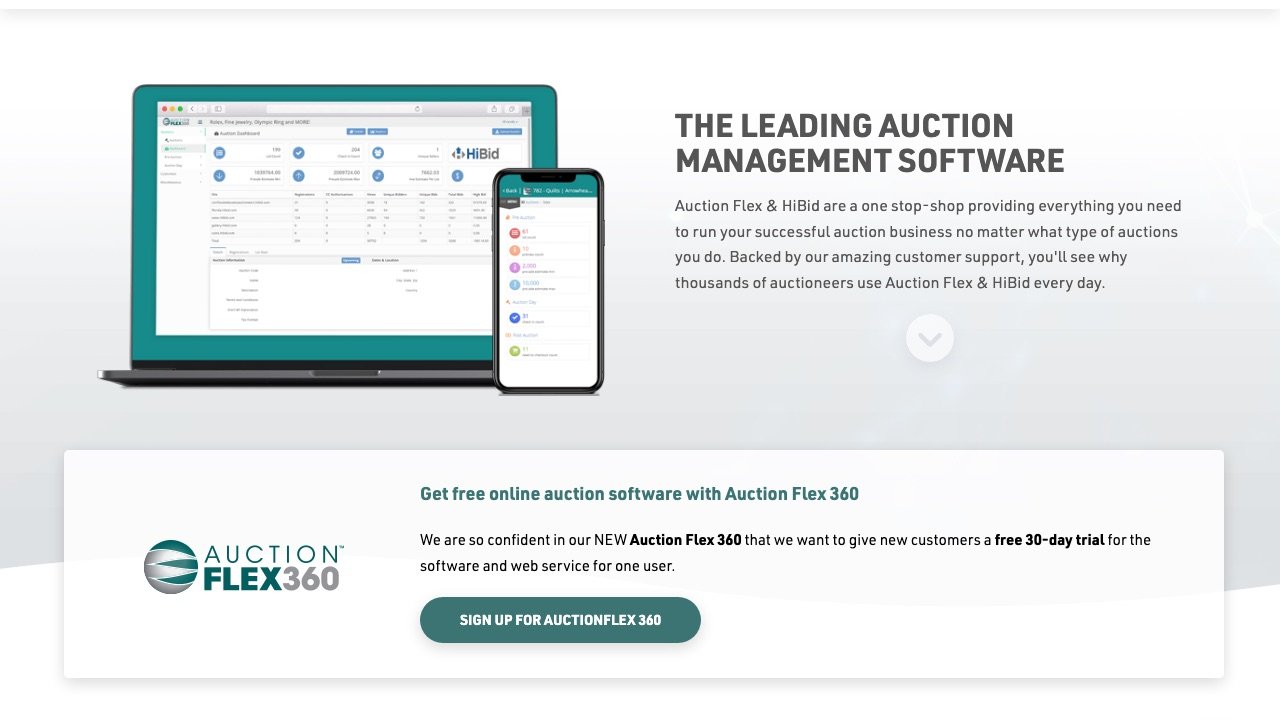
- Auction management software — consignment intake, lotting, cataloguing, clerking, invoicing, consignor settlement. This is the operational core. See auctioneer software.
- Online bidding — your own platform, an aggregator, or both
- Payment processing with card-on-file capability
- Photography setup — consistent lighting and a repeatable process matters more than expensive equipment
- Email marketing, because your buyer list is the actual asset you are building
4. Your own platform or an aggregator?
The honest answer for a new house is usually both, starting with an aggregator.
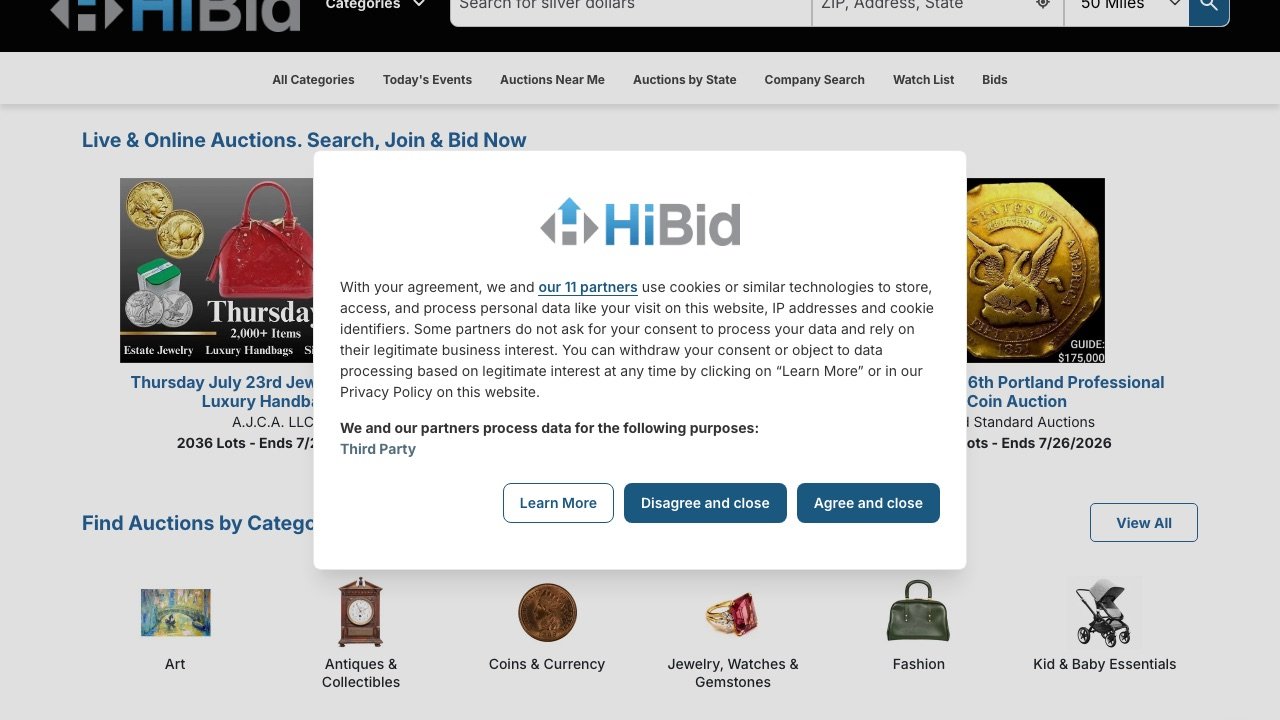
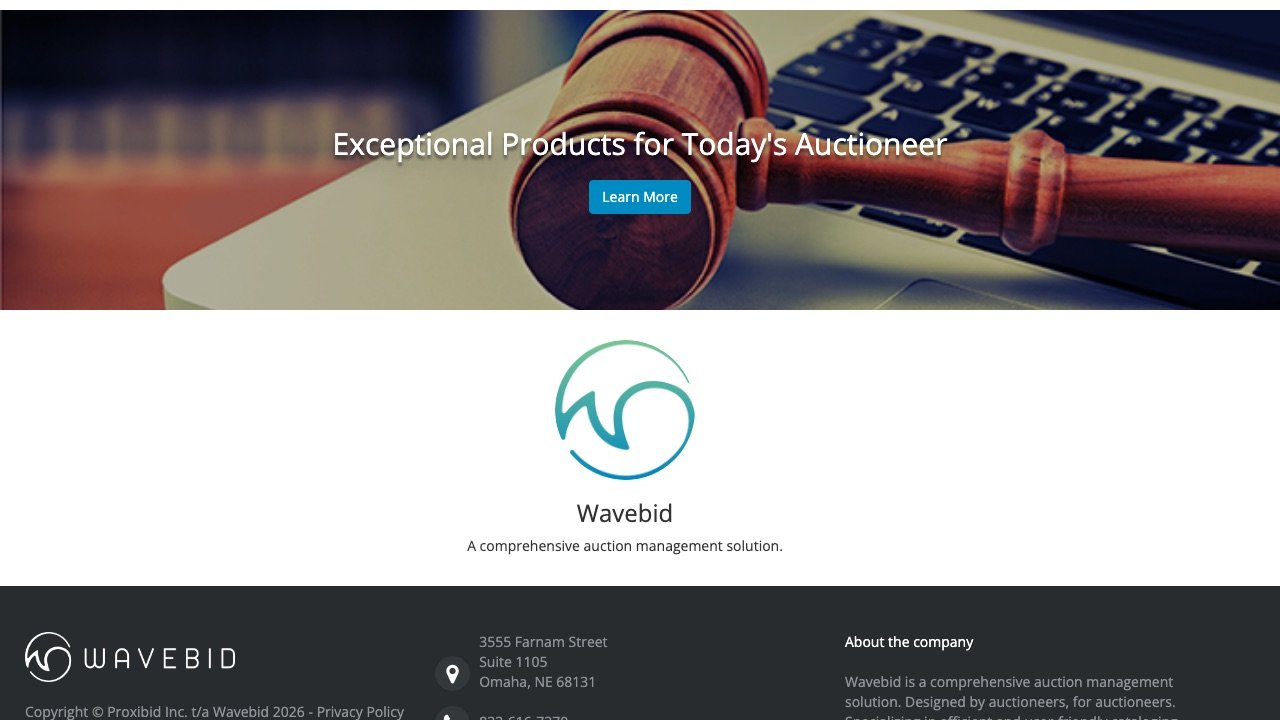
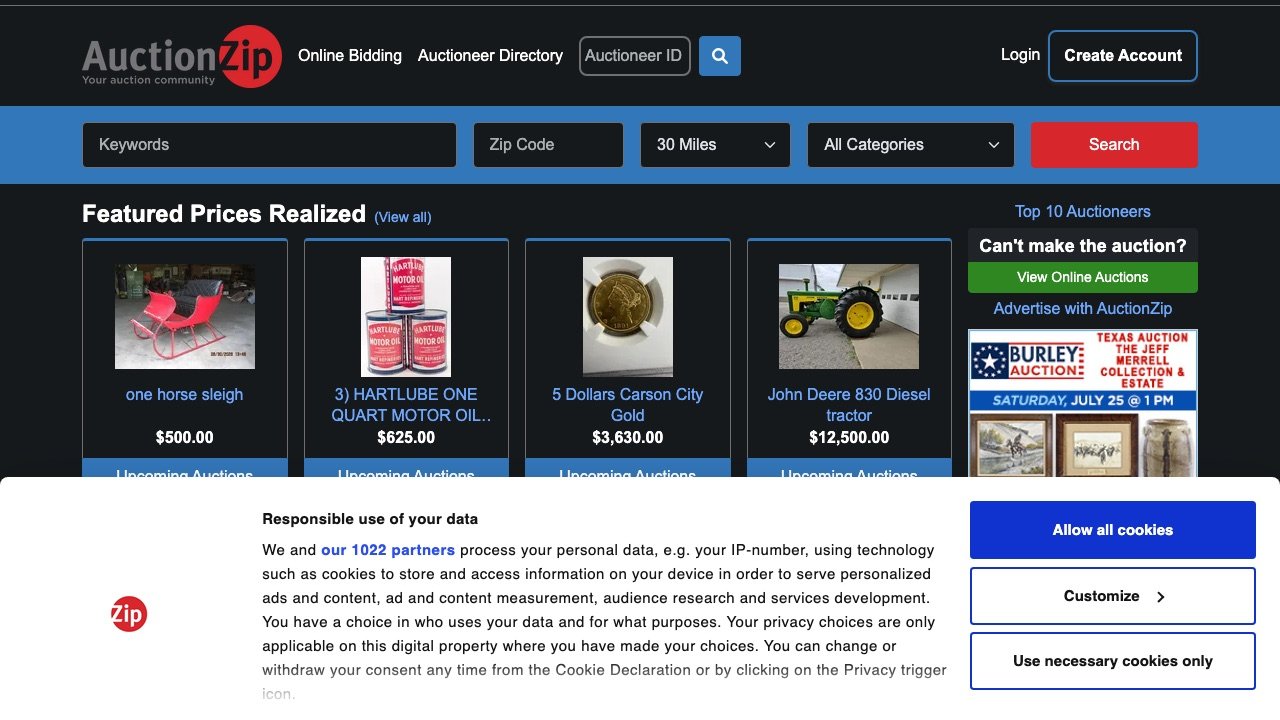
Listing on HiBid, Proxibid or a category specialist gives you an audience from day one, which you do not otherwise have. You pay internet commission for it, and that is a fair trade at the start.
What you should do simultaneously is capture every bidder’s contact details into your own list, and build toward your own branded bidding platform as that list grows. The point at which running your own becomes clearly cheaper arrives faster than most new operators expect. See HiBid alternatives for how houses sequence that transition.
5. The first 90 days
Days 1-30 — foundations. Licensing and bonding underway. Entity formed, insurance bound, trust account opened. Niche chosen. Software selected and configured. Terms and consignment agreement drafted, ideally reviewed by a lawyer.
Days 31-60 — first consignments. Approach people you know in your category. Your first sale will almost certainly come from your existing network, not from marketing. Price your commission competitively — you are buying a track record, not maximising the first sale. Photograph and catalogue to a standard you can sustain.
Days 61-90 — first sale. Run it. Market to your own contacts plus the aggregator’s audience. Clerk carefully, invoice within hours of the close, and settle with the consignor exactly on the date you promised.
That last point is the whole business. An auctioneer who pays consignors on time, every time, gets referred. One who does not, does not — and word travels through a local market faster than any advertising.
6. The economics
Revenue comes from seller commission and buyer’s premium together — see how much an auctioneer charges for typical rates by category. Costs are staff or contractor time, transport, storage, marketing, software, payment processing and insurance.
The metric that matters most in the early years is repeat consignment rate. Acquiring a new consignor is expensive; a consignor who returns is nearly free. Everything about how you run the business should be pointed at that.
7. Common mistakes
- Trying to sell everything instead of specialising
- Underpricing commission so heavily that the business cannot fund itself
- Poor photography, which directly suppresses hammer prices
- Slow settlement, which ends your consignment pipeline
- Not capturing bidder contact details from day one
- Commingling consignor funds with operating money
Further reading: launching a local online auction business and auction management system.
Frequently asked questions
Do I need a licence to be an auctioneer?
It depends entirely on your jurisdiction. Some US states require licensing, examination and bonding; others require none. Check your specific state and any state you sell into.
Do I need a physical saleroom?
No. Many successful auction houses now run entirely online, holding goods in modest storage or selling on-site at the consignor’s location.
How much capital does it take to start?
Considerably less than it used to. Licensing, bonding, insurance, software and basic equipment is the realistic minimum — the larger investment is time spent building a consignor and buyer network. Talk to our team about the software side.
