Auctioneer pricing is genuinely confusing because the money comes from two directions at once. The seller pays a commission on the hammer price, and the buyer pays a premium on top of it. The auctioneer collects both, which means the total take is considerably higher than either number suggests.
Here is how it actually breaks down, and what is negotiable.
The two main charges
Seller commission
A percentage of the hammer price, deducted from your proceeds. Typical ranges by category:
- General estate and household — commonly 20-35%, sometimes higher on low-value lots
- Vehicles and equipment — often 5-15%, lower because values are higher
- Real estate — typically 5-10%, and frequently structured so the buyer pays instead
- Fine art and antiques — commonly 10-25%, negotiable downward on significant consignments
- Charity auctions — often a flat event fee rather than commission
The rate usually scales inversely with value. A house selling a $200,000 collection will quote a very different rate from one selling a $3,000 estate lot, because their costs are similar and their revenue is not.
Buyer’s premium
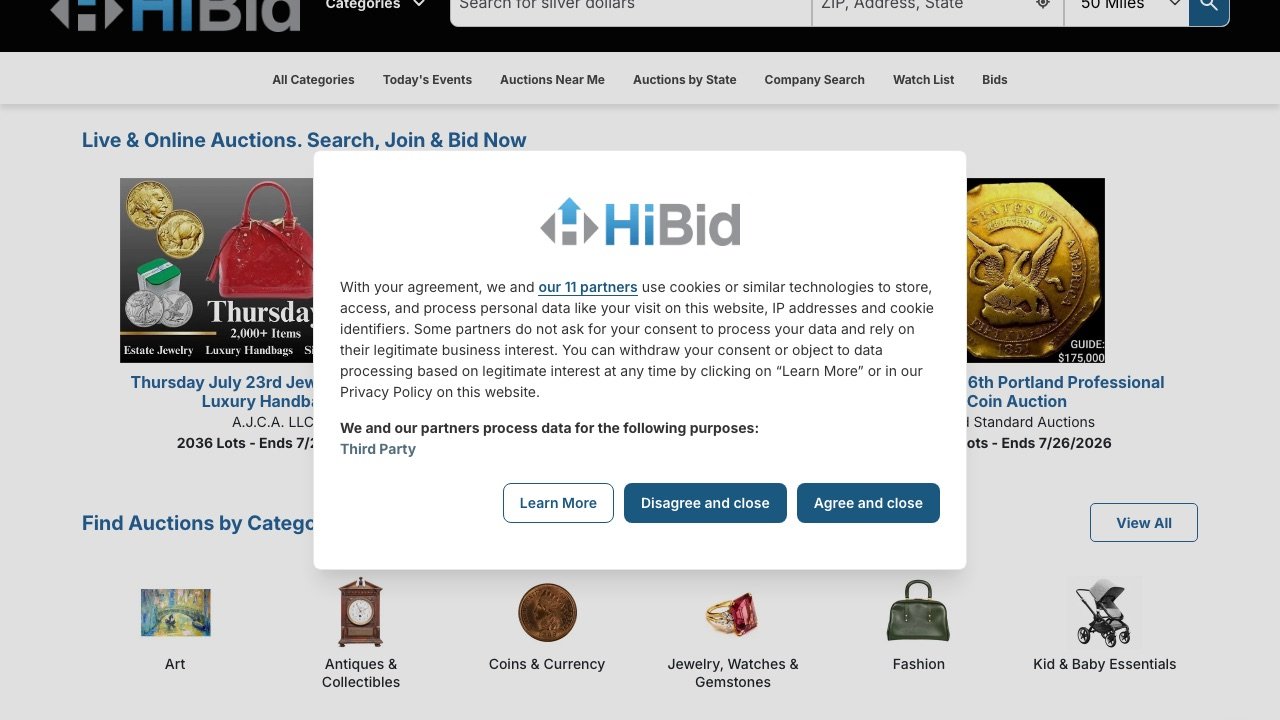
A percentage added to the hammer price and paid by the winning bidder. Typically 10-25% in person, with an additional online surcharge of 3-5% on top when bidding through an aggregator.
This is why total buyer cost on some platforms exceeds 28%. Our explainer on what a buyer’s premium is covers the mechanics in full.
Important for sellers to understand: a high buyer’s premium suppresses bidding. Buyers calculate their maximum on total cost, not hammer price. So a 28% premium comes partly out of your hammer, not just the buyer’s pocket.
The additional fees
These appear on settlement statements and are frequently not mentioned upfront:
- Lotting and cataloguing — per-lot charges for photography, description and data entry
- Marketing and advertising — sometimes a flat campaign fee, sometimes a percentage
- Transport and handling — moving goods to the saleroom
- Storage — if items arrive before the sale or leave after it
- Insurance — while goods are in the auctioneer’s custody
- Unsold lot fees — some houses charge on lots that fail to meet reserve
- Credit card processing — occasionally passed on to the consignor
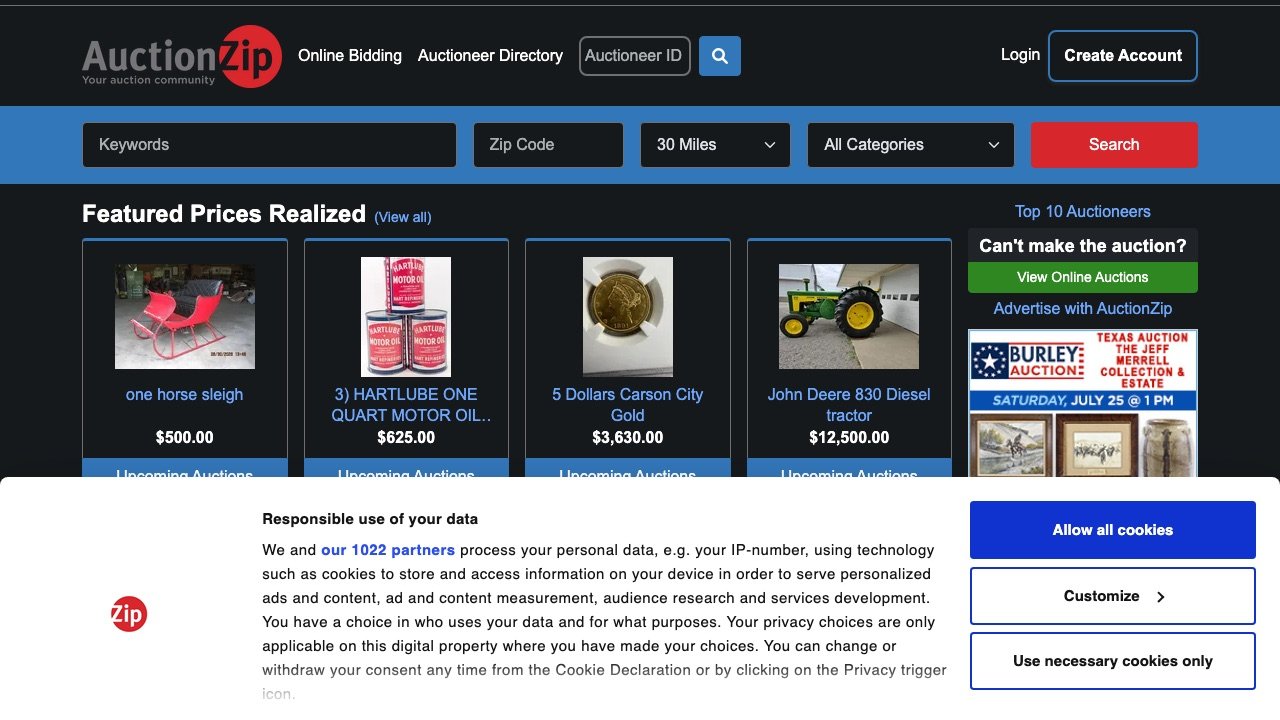
- Online platform fees — where the house lists through an aggregator
Always ask for a written schedule of every charge before consigning. The commission rate alone tells you very little.
What is negotiable
More than most consignors realise:
- Seller commission — very negotiable on good material, because houses compete for consignments. Get more than one quote.
- Marketing fees — often waived or reduced on desirable lots the house wants for its catalogue.
- Unsold lot fees — frequently negotiable away entirely.
- Transport — sometimes absorbed on a significant consignment.
What is not negotiable: buyer’s premium, which is set by the house and applies to everyone, and platform surcharges on aggregators.
Your leverage is the quality of what you are consigning. A house that genuinely wants your material will move on rate. If nobody will negotiate, that tells you something about the material.
Alternatives to consigning
The obvious question a seller should ask is whether the commission is worth it. What you are buying is a buyer list, marketing, expertise, handling and settlement. For a single unusual item, that is clearly worth 20%. For routine goods you could sell yourself, it may not be.
Options: direct marketplace listing where you keep more but do all the work; private treaty sale through a dealer; or, for anyone with recurring volume, running your own auctions.
For auctioneers reading this from the other side
The economics of the profession have shifted. Aggregator commission on internet sales is now a substantial cost line for most houses, and it grows as online bidding grows. Houses that run their own branded bidding platform keep that internet commission and own the bidder relationship.
The functional requirements are standard — cataloguing, timed and simulcast bidding, clerking, absentee and phone bids, invoicing with premium and tax logic, consignor settlement. See auctioneer software and auction management system, with cost guidance in auction website build costs.
Related: HiBid alternatives and how to start an auction house.
Frequently asked questions
Who pays the auctioneer, buyer or seller?
Both, in most cases. The seller pays commission on hammer, the buyer pays a premium on top.
Can I negotiate auctioneer commission?
Yes, particularly on valuable or desirable consignments. Get competing quotes — it is the most effective lever available.
What is a reasonable total cost?
Depends entirely on category and value. High-value lots carry proportionally lower rates. Judge it against what the auctioneer’s audience and expertise are actually worth for your specific item.
