Collectibles auctions live and die on authentication. A 1986 Fleer Jordan rookie is worth a few hundred dollars raw and many thousands in a high grade — and the only thing separating those two numbers is a slab from a grading company someone trusts. Every platform below has picked a different position on that problem.
Here are the twelve worth knowing, grouped by what they handle best.
The high-end specialists
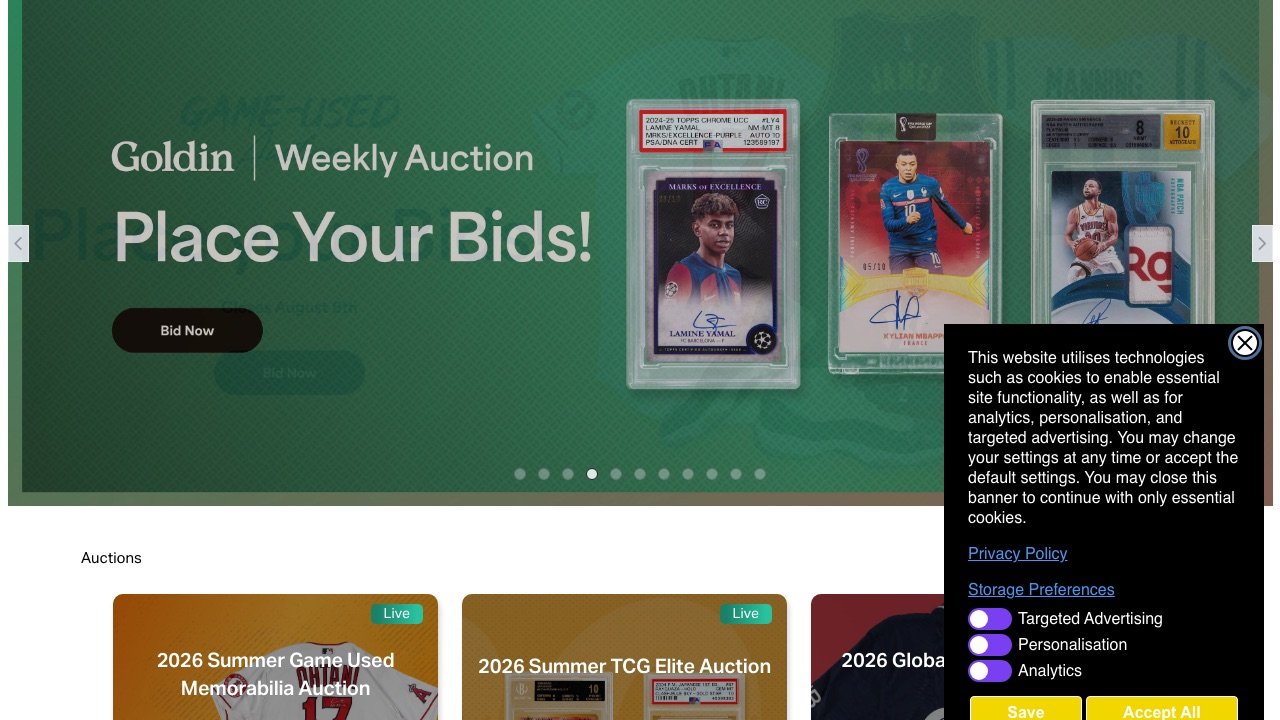
1. Goldin
The name at the top of the modern trading card and sports memorabilia market. Record-setting results, heavy marketing behind marquee lots, and a buyer base that includes serious investors. Consignment is selective at the top end but they run weekly sales covering a much wider price range than their headlines suggest.
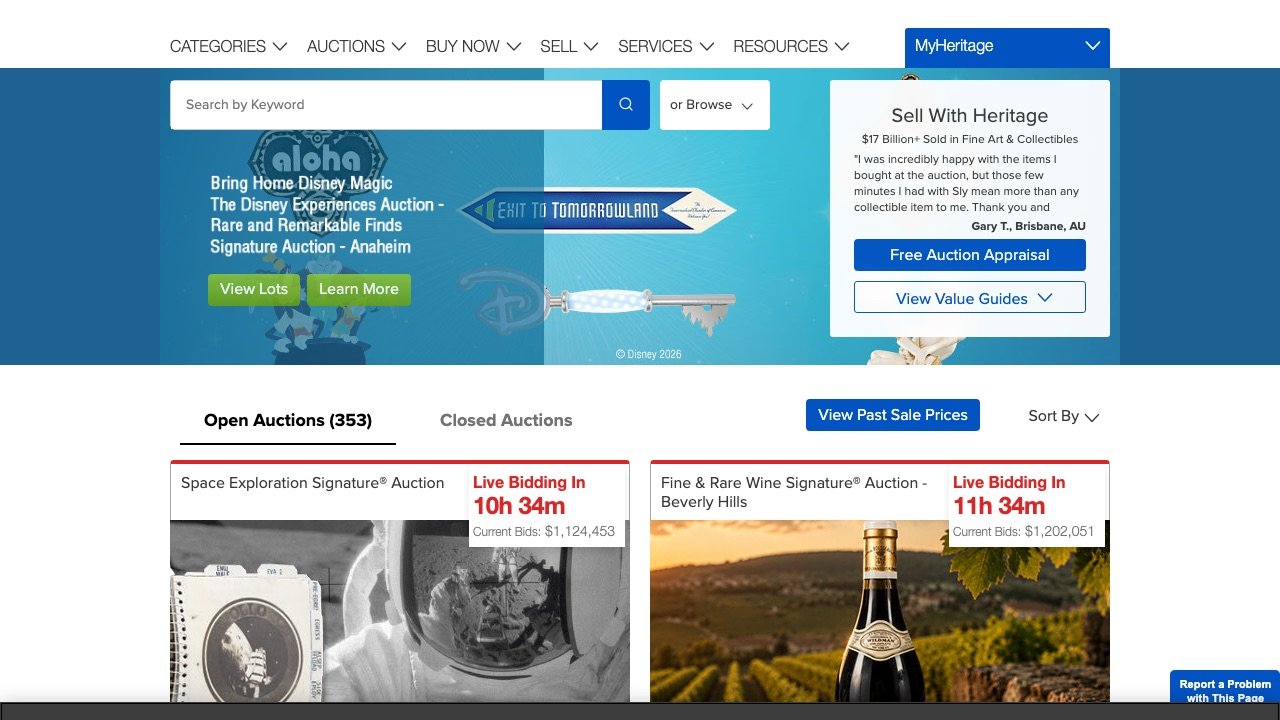
2. Heritage Auctions
The broadest specialist house in the category, covering comics, coins, currency, sports cards, movie posters, video games and Americana. Their cataloguing and research standards are excellent, and their archive of past results is one of the most useful pricing references available.
3. Robert Edward Auctions
Vintage sports cards and memorabilia, with a specialism in pre-war material. Deep expertise in an area where fakes are common and knowledge genuinely matters.
4. Hake’s
Pop culture memorabilia — toys, political items, comic character collectibles. Long history and a specific, knowledgeable audience.
Volume marketplaces
5. eBay
Still the largest single venue for collectibles by transaction count. Authentication programmes now cover trading cards, sneakers and watches above certain price thresholds, which addressed the biggest historic objection. Prices are efficient because everyone is watching.
6. COMC
Consignment-based card marketplace where you ship your collection in, they scan and list every card individually, and buyers can combine purchases from many sellers into one shipment. Solves the fundamental problem with selling a large collection of low-value cards.

7. Whatnot
Live-streamed auctions and pack breaks. Extraordinary engagement in trading cards specifically, where the ritual of opening packs on camera turned out to be compelling content and a sales channel simultaneously.

Curated and international
8. Catawiki
Expert-vetted lots with direct private consignment. Strong across European collecting categories — comics in the Franco-Belgian tradition, coins, stamps, vintage toys — that US platforms handle poorly.
9. Comic Connect and 10. Metropolis Collectibles
Comic specialists with genuine depth. For key issues and high-grade Golden and Silver Age books, the specialist audience is meaningfully more valuable than a general marketplace.
11. PWCC Marketplace
Trading card auctions with a vault storage service attached, allowing cards to trade without physical shipping between owners. An interesting model that reduces friction considerably on high-value repeat trading.
12. MyComicShop and specialist dealer auctions
Dealer-run sales in specific niches. Smaller audiences, lower fees, and frequently better prices for buyers because the competition is thinner.
What actually matters in this category
- Grading is the value. A card’s grade from a recognised grader determines most of its price. Raw cards trade at a steep discount for the uncertainty.
- Population reports matter. How many exist in that grade is public data and it moves prices. Check before bidding.
- Total buyer cost varies enormously. Specialist houses charge 20% or more; some marketplaces charge nothing to the buyer. That difference is real money.
- The market is volatile. Collectibles prices moved dramatically in both directions over recent years. Recent comparables matter far more than older ones.
- Authentication fraud is sophisticated. Counterfeit slabs exist. Verify certification numbers against the grader’s own database.
For dealers building their own platform
Established collectibles dealers with a following increasingly run their own timed auctions rather than paying 20% to a house. The category-specific requirements are well defined: grading company and certification number fields with verification lookups, population data display, high-resolution zoomable imagery front and back, and combined shipping across multiple wins.
That last one is genuinely important. A buyer who wins fourteen cards must receive one invoice with one shipping charge, calculated automatically. Platforms that get this wrong lose repeat buyers immediately.
See custom auction software for the category modules and the anatomy of a high-converting auction product page for how listing presentation affects results.
Frequently asked questions
Should I get cards graded before selling at auction?
For anything with meaningful value, almost always yes. The grading cost is usually recovered several times over, and raw cards attract far less bidding because buyers price in the risk.
Which platform has the lowest fees for sellers?
Direct marketplaces like eBay and COMC undercut specialist auction houses substantially. The houses justify their rates through marketing reach on genuinely rare material.
Are live-stream auctions worth using?
For modern cards and pack breaks, engagement is exceptional. For vintage and high-grade material, a traditional catalogued auction still reaches the serious money.
