Numismatics is the most data-rich collecting category there is. Grading is standardised, population reports are public, and decades of auction results are searchable. That transparency makes coin auctions unusually efficient — and it means the value for buyers is found in process details rather than in finding something nobody noticed.
Here are the nine platforms that matter, and what each is genuinely best at.
The specialist houses
1. Heritage Auctions
The largest numismatic auction house in the world, handling everything from common date material to seven-figure rarities. Their cataloguing is thorough, their photography is excellent, and their permanent archive of past results is one of the most valuable free tools in the hobby.
2. Stack’s Bowers
Deep history, official auctioneer for major numismatic conventions, and particular strength in US federal issues, colonial coinage and world coins. For genuinely rare material, their consignment relationships and specialist buyer base are hard to beat.
3. GreatCollections
Weekly online auctions with a notably low buyer’s premium compared with the traditional houses. That premium difference is real money — on a $2,000 coin the gap between a 22% premium and a 10% one is $240. Volume is high and the material is predominantly certified.
4. Legend Rare Coin Auctions
Boutique, focused on high-grade and registry-set quality material. Small sales, exceptional coins, buyers who know exactly what they are looking at.
5. David Lawrence Rare Coins
Long-established with a strong internet auction programme and good coverage of mid-market certified US coins.
Marketplaces and platforms
6. eBay
Still enormous in coins by transaction count, with authentication programmes now covering higher-value items. The advantage is breadth; the disadvantage is that you are assessing seller credibility yourself on much of the material.
7. Catawiki
Expert-vetted, with strong coverage of world and ancient coins where US-focused platforms are thin. Direct private consignment makes it practical for individual sellers.
8. MA-Shops and VCoins
Dealer marketplaces for world and ancient coins, predominantly fixed-price. Not auctions, but essential to know about — for many world coin categories these are where the material actually is.
9. Regional auctioneers via HiBid
Estate coin collections frequently sell through general auctioneers who list on aggregators. These are the least-competed coin sales anywhere, because numismatists do not routinely search general auction platforms. Genuine opportunity for a buyer willing to do the searching.
What actually matters when buying coins at auction
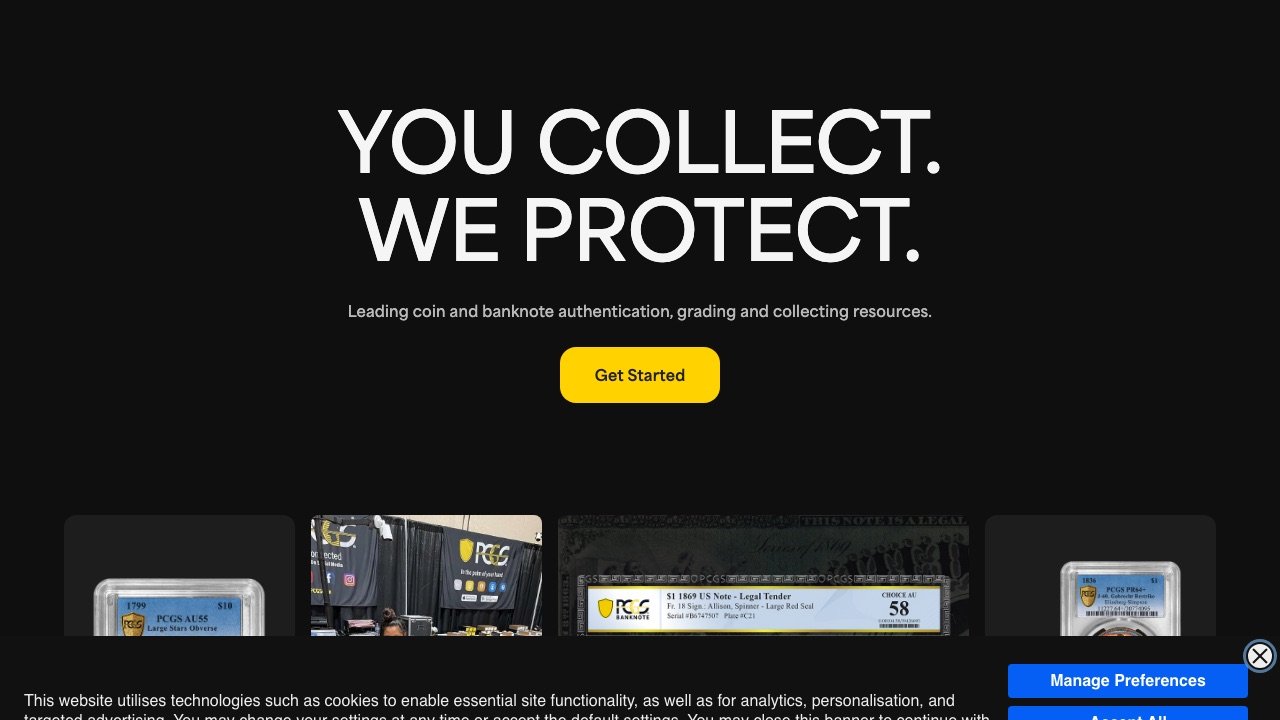
- Certification is nearly everything. Coins graded by a recognised service trade at a substantial premium to raw, and for good reason — counterfeiting and doctoring are sophisticated.
- Verify the certification number. Grading services publish verification lookups. Counterfeit slabs exist. Check.
- Population reports move prices. How many exist in that grade, and how many higher, is public data and it is the single biggest driver of premium above type value.
- Eye appeal within a grade varies enormously. Two coins in the same certified grade can differ substantially in desirability and price. Photography matters, and so does seeing the coin properly.
- Compare total cost. Buyer premiums in this category range from around 10% to over 20%. Factor it before bidding — see what a buyer’s premium is.
For dealers running their own sales
Established coin dealers with a mailing list increasingly run their own timed auctions rather than consigning at 15-20%. The category requirements are specific and well understood:
- Grading service, grade and certification number as structured fields, with verification lookup
- Population data display where available
- High-resolution obverse and reverse imagery with genuine zoom
- Standard numismatic taxonomies — denomination, date, mint mark, variety, designation
- Combined shipping and insured, tracked despatch across multiple wins
- Absentee and phone bidding, which remain genuinely important in this category
See custom auction software for building those onto a proven engine, and auctioneer software for the cataloguing and clerking side.
Frequently asked questions
Should I buy raw or certified coins?
Certified, for anything of meaningful value, unless you have the expertise to grade accurately yourself. The premium for certification is smaller than the risk discount on raw material.
Which coin auction site has the lowest fees?
GreatCollections is consistently among the lowest buyer premiums for certified US material. Traditional houses charge substantially more and justify it through specialist reach on rarities.
Where do I find undervalued coins?
General estate auctions where the auctioneer is not a numismatist. It requires searching platforms nobody in the hobby bothers with, which is precisely why it works.
