Proxibid gave a lot of auction houses their first taste of online bidding, and for many it is still the default. But the commission on internet bids is real money, the buyer relationship belongs to the platform rather than to you, and the audience it delivers may not match what you sell.
Here are seven alternatives, grouped by what they are actually for.
General aggregators
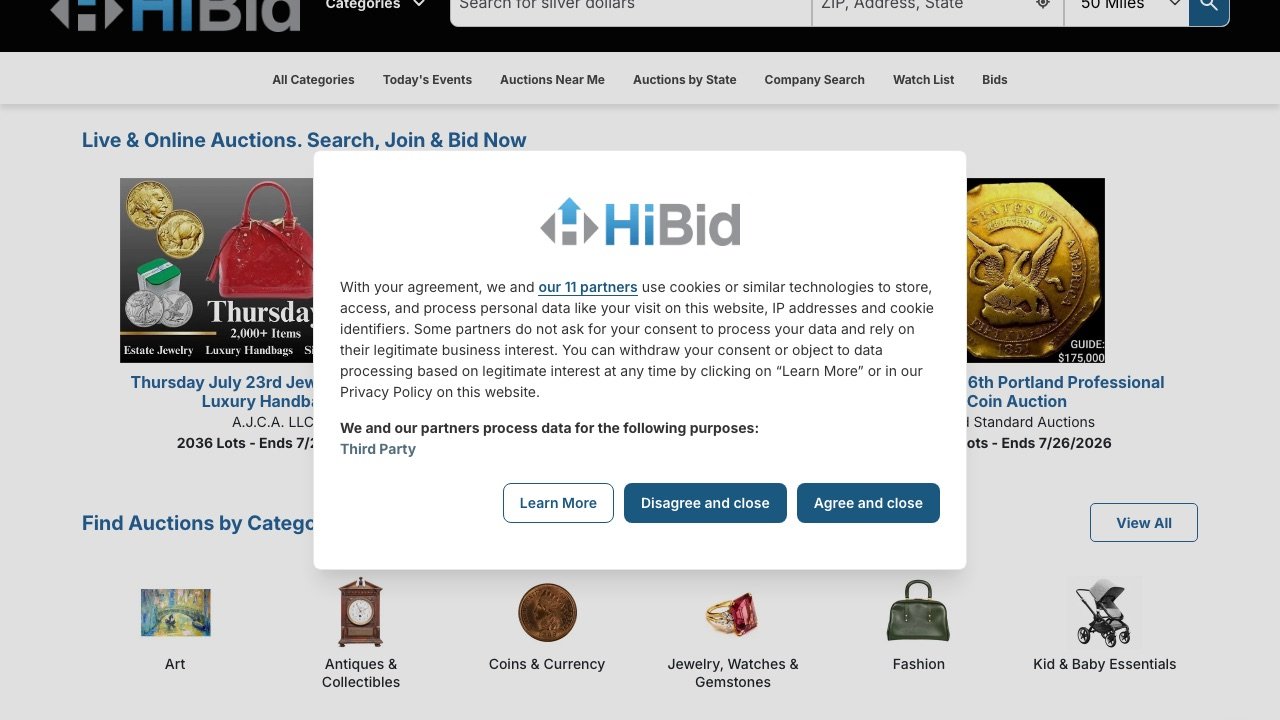
1. HiBid
The largest network of independent North American auctioneers. Strong for estate, farm, equipment, liquidation and general consignment — essentially anything a regional auction house handles. Commission on internet bids is competitive and the audience is genuinely broad.
What you get is traffic. What you do not get is control over how your sale is presented or any real ownership of the bidder relationship.
2. AuctionZip
Long-established listing and bidding platform with deep roots in the estate and antiques community. Less polished than newer options, but the audience is loyal and specific.
Art, antiques and collectibles
3. LiveAuctioneers
The strongest audience for art, antiques, jewellery and decorative arts, with live streaming from the saleroom. Buyer’s premiums stack — the house premium plus an online surcharge — which can push total buyer cost above 28%. That affects bidding behaviour, so price your estimates accordingly.
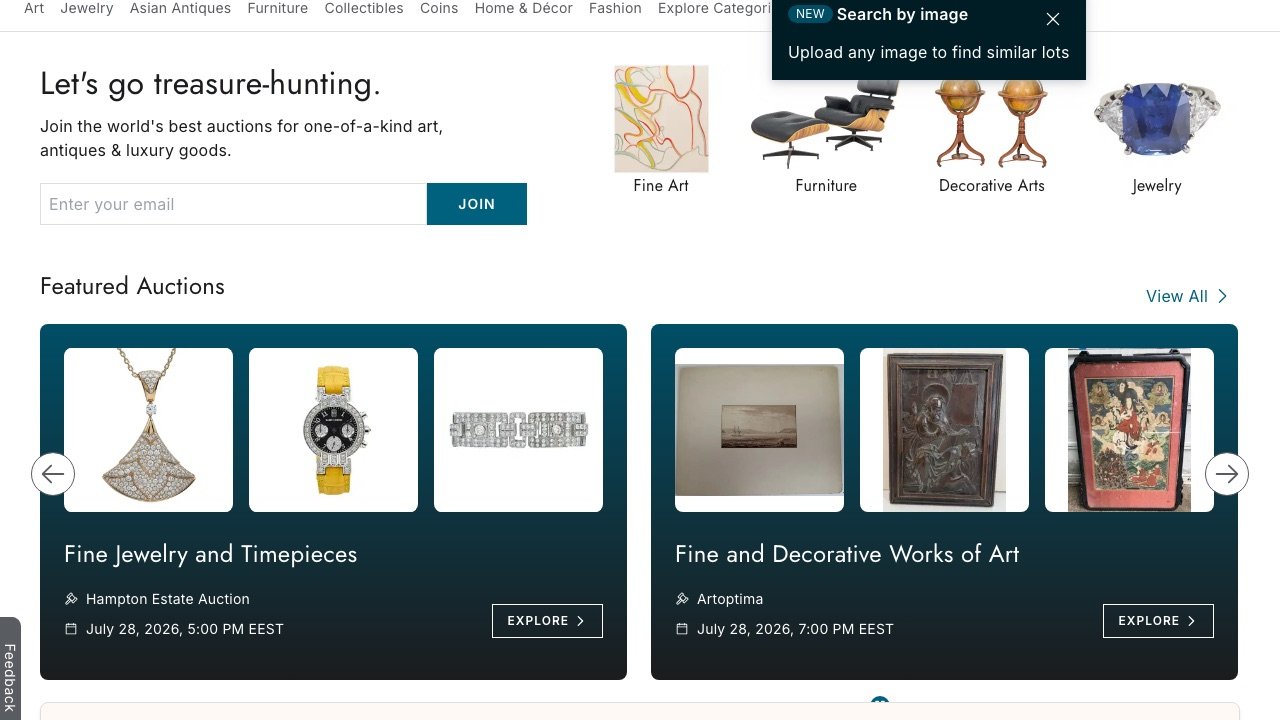
4. Invaluable
Overlapping catalogue with a stronger European saleroom presence. Houses selling material with international appeal often list on both, accepting the double commission for the wider reach.
5. The Saleroom
The UK and European equivalent. Essential if your consignments would sell better to a European audience.
Industrial and specialist
6. BidSpotter
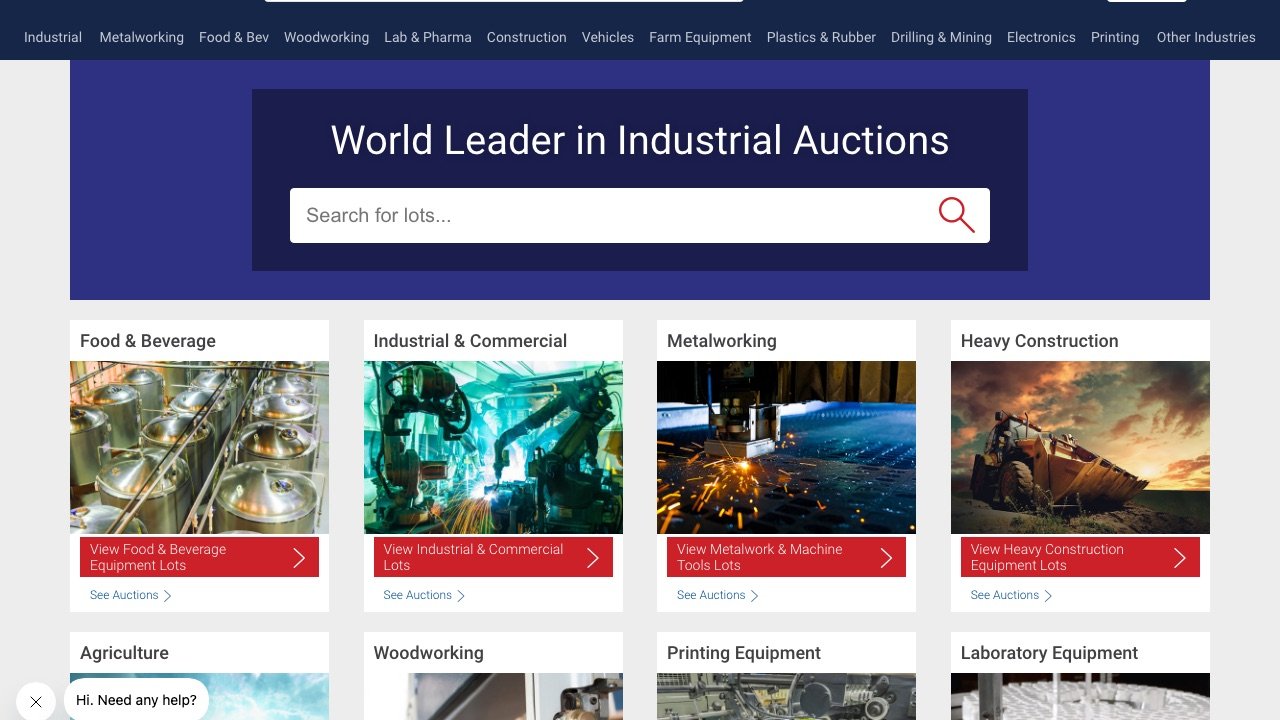
Industrial plant, machine tools, printing equipment and manufacturing closures. A completely different bidder base from the antiques platforms — engineers and plant managers rather than collectors. If you handle business liquidations, this is where those buyers are.
7. EquipmentFacts
Heavy equipment and agricultural machinery, used by many independent auctioneers to put their equipment sales online.
The structural problem with all of them
Every platform above takes a percentage of internet sales and, more importantly, owns the buyer. When a bidder registers on HiBid to bid in your sale, they become a HiBid user who bid in your sale — not your customer. Next month the platform emails them about somebody else’s auction.
That is a reasonable trade when you are starting out and have no online audience. It becomes a worse trade every year as your buyer list grows on someone else’s database.
The white-label alternative
The pattern that has become standard among established auction houses is a hybrid: run your own branded bidding platform as the primary channel, and simulcast to one or two aggregators for reach on lots that need it.
On your own platform you keep the internet commission, you own the bidder data, and you control the terms — including your own premium structure. The aggregator becomes a marketing channel you use deliberately rather than a landlord you pay by default.
What that requires is not exotic: catalogue management, timed and live simulcast bidding, clerking, absentee and phone bid capture, invoicing with premium and tax handling, and consignor settlement. That is exactly the scope of auctioneer software and the back-office side in auction management system.
Realistic cost is covered in how much it costs to build an auction website — for most regional houses the internet commission saved in year one covers a meaningful share of it.
Frequently asked questions
Which platform has the lowest internet commission?
Rates vary by contract and volume, so published figures are unreliable. Negotiate — established houses with consistent sale volume have more leverage than the rate card suggests.
Can I list on more than one aggregator at once?
Yes, and many houses do. Watch your terms for exclusivity clauses, and be aware that simulcasting to several platforms simultaneously adds real clerking complexity.
Is it worth running my own platform as well?
If more than a modest share of your hammer total comes through internet bidding, almost certainly. Talk to our team and we will run the numbers against your commission spend.