Sneaker resale is one of the few consumer categories where the marketplace genuinely earns its fee, because authentication is a real service that solves a real problem. The platforms differ mainly in how they authenticate, what they charge for it, and how fast you get paid.
Here are eleven, ranked roughly by usefulness to a serious seller.
The order-book platforms
1. StockX
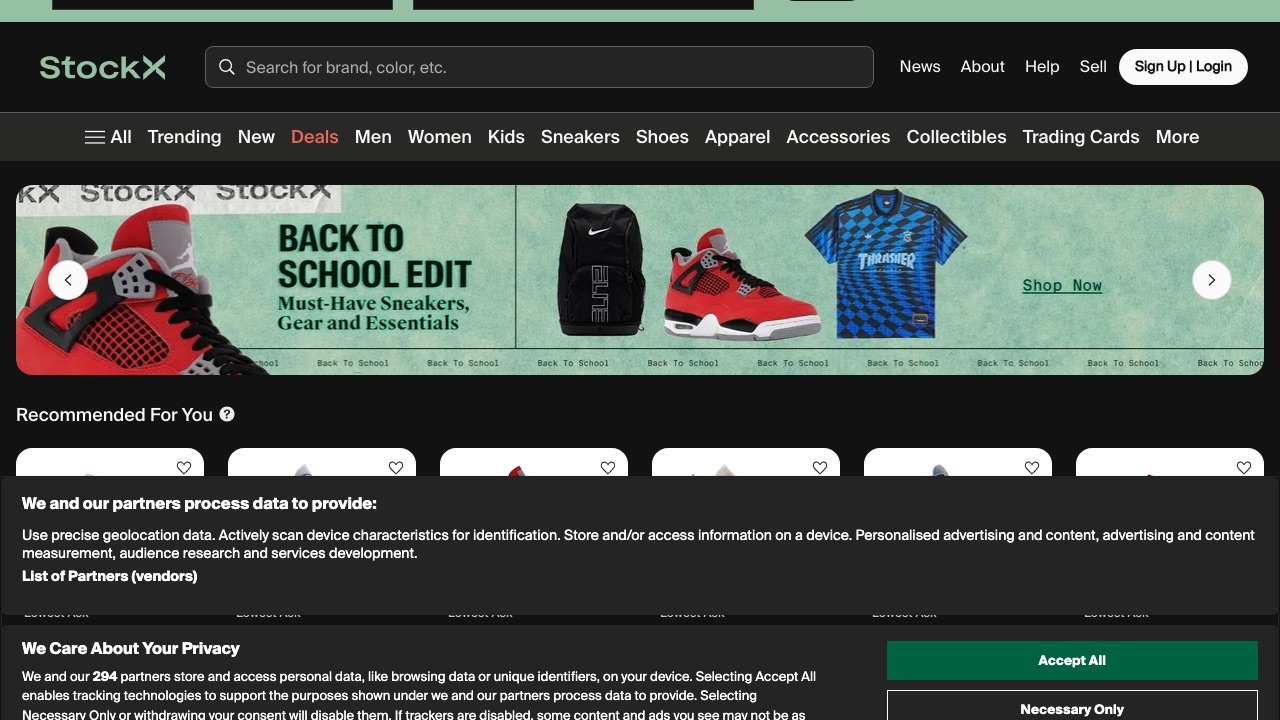
The platform that turned sneakers into a tradable commodity with its bid/ask model — buyers post bids, sellers post asks, and trades execute automatically when they meet. Every item routes through an authentication centre before reaching the buyer.
Best for: liquid, in-demand models where you want a guaranteed sale at a known price. Weakest for: anything unusual or worn, where the standardised model has nothing to price against. We covered the mechanics in building a bid/ask marketplace.
2. GOAT
Similar authenticate-in-the-middle model with a broader catalogue that includes used and vintage pairs, which StockX historically avoided. Stronger apparel selection and a more curated, editorial feel.
3. Flight Club
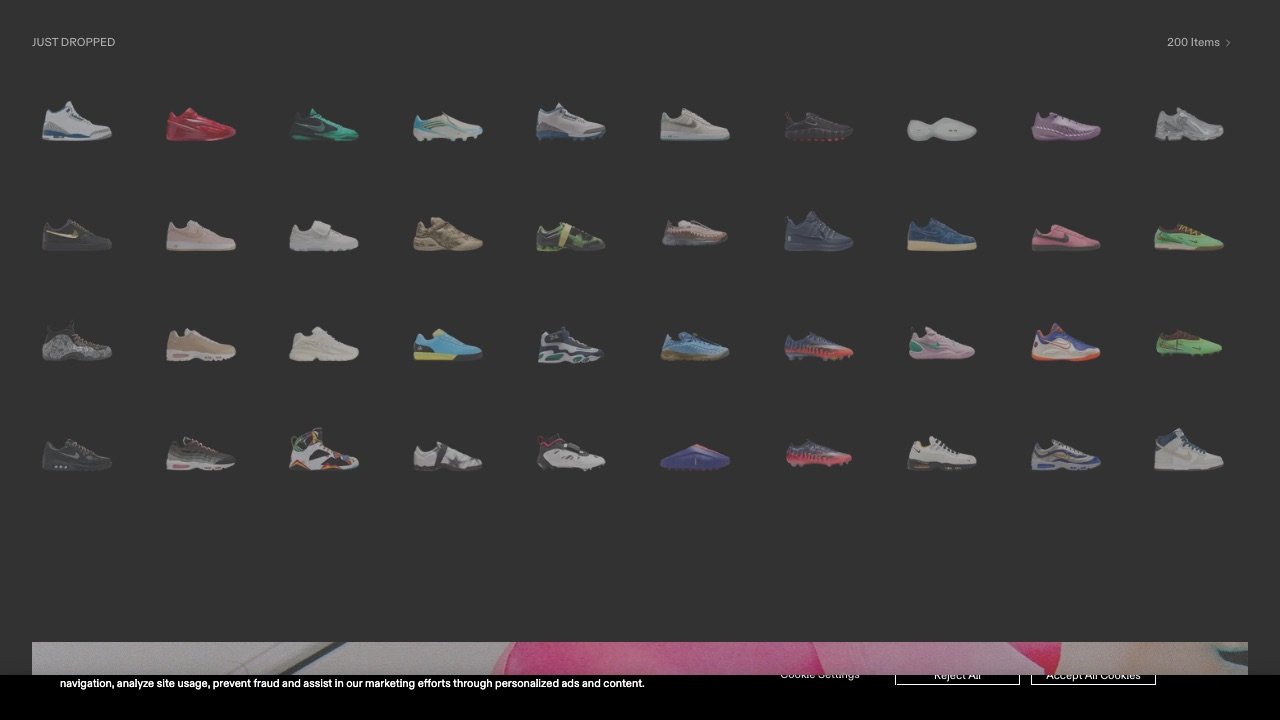
Consignment-based, now under the same ownership as GOAT. Physical stores plus online. Higher fees, but genuine consignment service for sellers who would rather hand it over than manage listings.
Open marketplaces
4. eBay
Still enormous by volume, with an authenticity guarantee programme covering sneakers above a price threshold. The advantage over the order-book platforms is that you set your own price and can run genuine auctions — which on rare pairs frequently beats a fixed ask.
5. Grailed
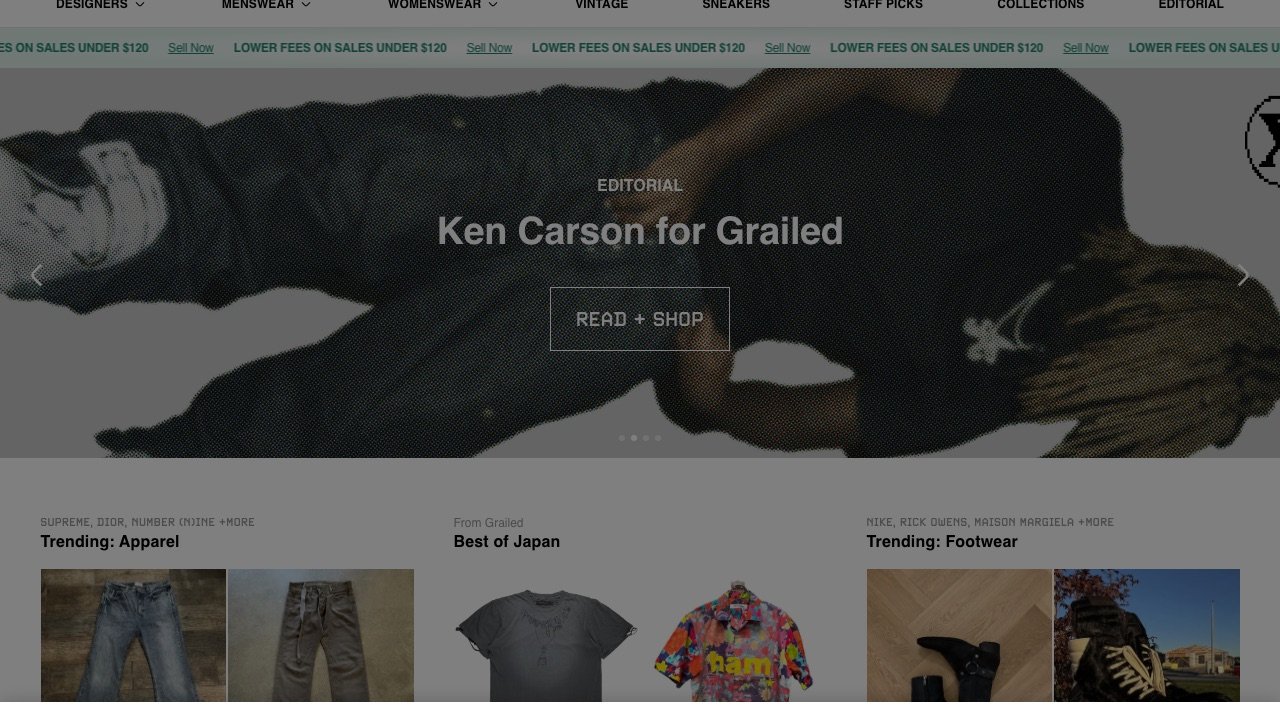
Menswear and streetwear with a substantial sneaker presence. Community-driven, with offers and negotiation rather than fixed pricing. Lower fees than the authentication platforms because authentication is not built in on everything.
6. Depop
Younger audience, strongly social, better for stylised and vintage pairs than for hype releases. Presentation and photography matter enormously here.
7. Vinted
Dominant in Europe for secondhand fashion, with buyer-paid fees rather than seller commission. Genuinely different economics for sellers.
Live and community
8. Whatnot
Live-streamed selling with real-time auctions. Conversion rates in sneakers are strong because a seller on camera can address condition questions instantly — which is exactly the friction that slows static listings.
9. Instagram and Discord communities
Unglamorous but real. Established sellers with a following transact directly, paying no platform fee at all. The trade-off is that both parties carry the trust risk themselves.
Specialist and regional
10. Novelship
Strong across Asia-Pacific with authentication, filling a gap the US-centric platforms leave.
11. Klekt
European-focused with authentication, useful for sellers wanting European buyers without international shipping complexity.
What actually nets a seller the most
The headline fee is not the number that matters. Calculate:
- Platform commission plus any payment processing charge
- Shipping cost, and who bears it
- Payout timing — funds held for two weeks is a real cost if you are turning inventory
- Authentication failure risk and the cost of a return
- Achievable price on that platform, which varies more than the fee difference
That last point routinely dominates. A platform charging 3% more but achieving 15% higher prices on your specific model is the better venue, and the only way to know is checking recent sold comparables per platform.
For anyone building in this space
The structural lesson from StockX and GOAT is that authentication, not software, is the moat. Both invested in physical facilities and trained staff, and that is what buyers pay for.
If you are considering a resale marketplace, the questions to answer first are operational rather than technical: who authenticates, where, at what cost per item, and what happens when they get it wrong. The platform layer — listings, order book, payments, payouts — is well-solved and licensable. See multi-vendor marketplace platform and marketplace build costs.
Frequently asked questions
Which sneaker platform has the lowest fees?
Direct community sales have none, followed by Grailed and Depop. The authentication platforms charge more because they are providing a genuine service.
How long do payouts take?
Authentication platforms typically pay after the item clears verification, which adds several days versus a direct sale. Factor it if you are turning inventory quickly.
Is authentication worth the fee?
For buyers, yes — it is the reason the market functions. For sellers, it is the cost of accessing buyers who would not otherwise transact with a stranger.
