Government auctions are the only corner of the auction world where the seller genuinely does not care what the item fetches. A public agency disposing of a surplus truck wants it off the books and out of the yard. That indifference is where the value is for buyers.
Here are twelve platforms across every level of government, roughly ordered from most to least competed — which is to say, roughly reverse ordered by how good the prices are.
The large national platforms
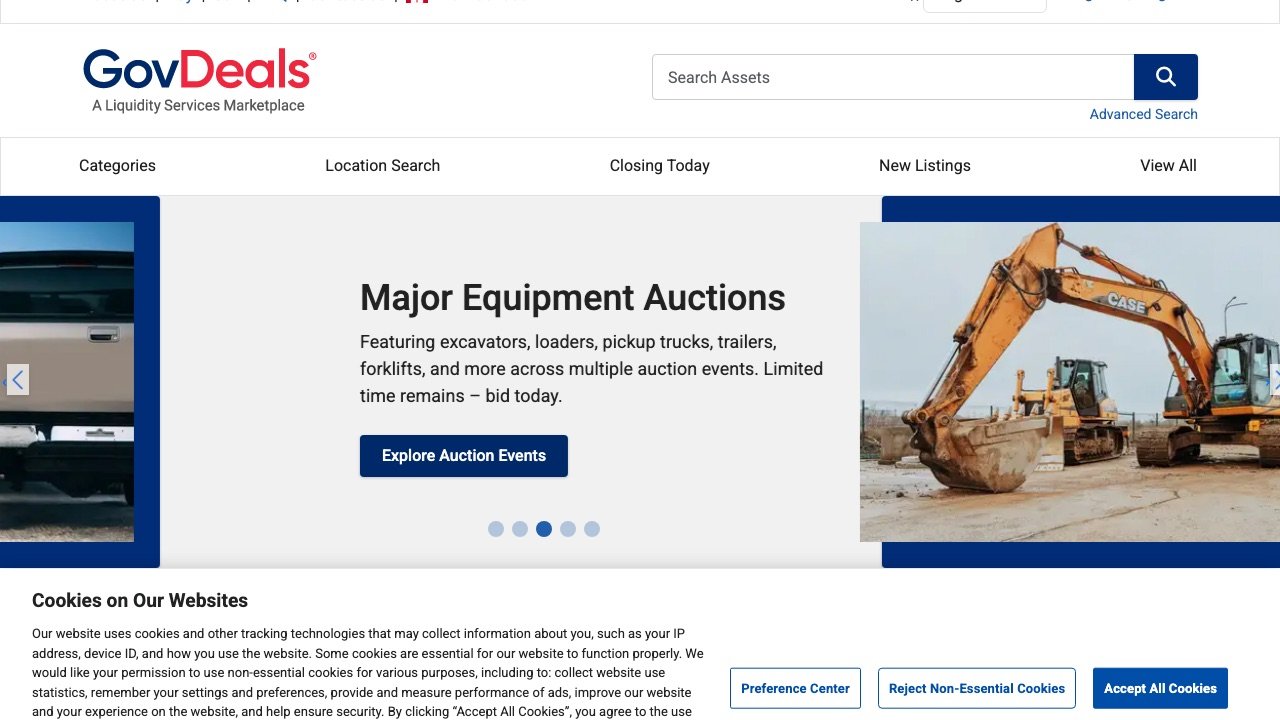
1. GovDeals
The biggest by volume, with thousands of participating state and local agencies. Vehicles, heavy equipment, IT hardware, furniture, tools, occasionally real property. Straightforward registration and constant turnover. Because it is the best known, it is also the most competed.
2. Public Surplus
The main competitor, with particular strength among school districts, universities and county governments. Buses, lab equipment, IT surplus and light fleet.
3. AllSurplus
Liquidity Services’ combined government and commercial surplus marketplace. Useful for searching both in one place.
Federal
4. GSA Auctions
The federal government selling directly, with no commercial intermediary taking a cut. Vehicles, scientific and laboratory instruments, industrial equipment, aircraft parts, and occasionally real property. Registration is more involved and the paperwork is genuinely federal, but there is no seller optimising the price.
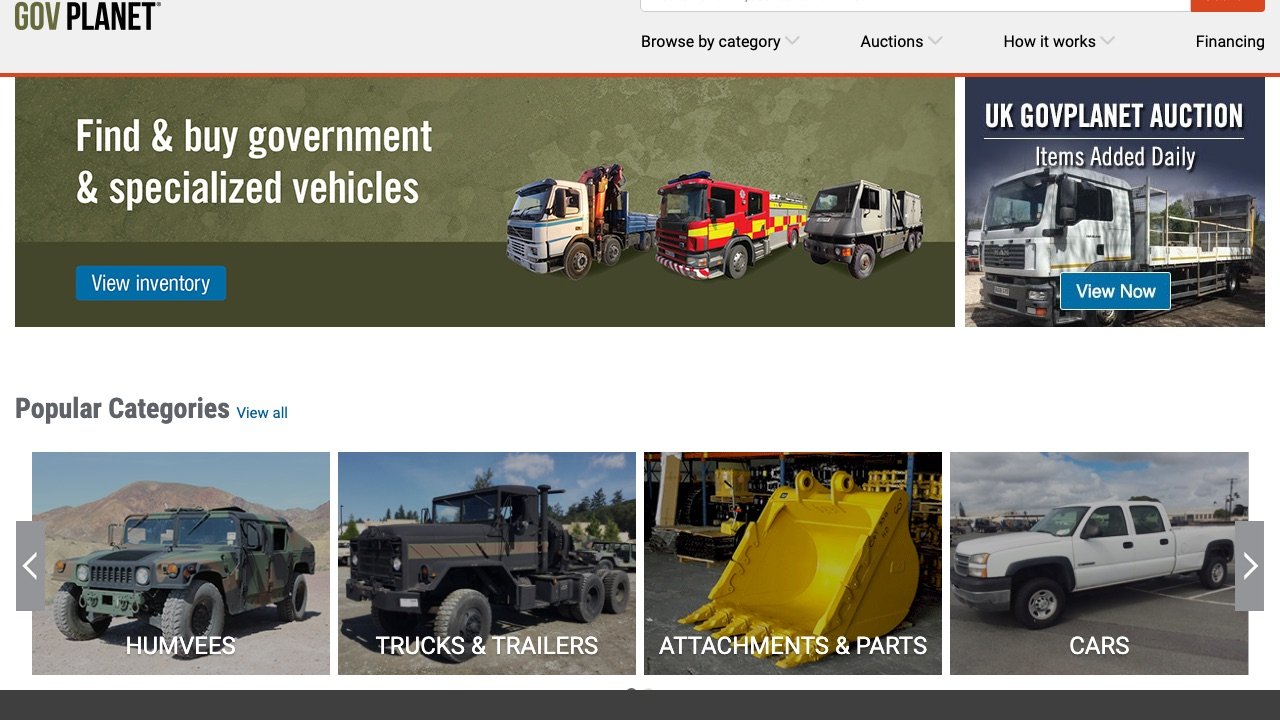
5. GovPlanet
Ex-military and government heavy equipment — trucks, trailers, generators, specialist plant. Condition varies enormously and some lots carry export or usage restrictions, so the terms need reading properly. Inspection reporting is better than most surplus platforms manage.
6. Treasury and Marshals Service asset sales
Forfeited and seized property from federal law enforcement — vehicles, jewellery, real estate, occasionally aircraft and vessels. Sold through contracted vendors. Genuinely unusual inventory.
The less-competed tier
7. Municibid
Smaller municipalities, townships and rural districts. Far fewer bidders per lot than the national platforms, purely because most buyers never look. Fire apparatus, plows, tractors, police vehicles from small-town America.
8. State-run surplus programs
Most US states operate their own disposal programs entirely outside commercial platforms — state DOT fleet, university surplus stores, state police vehicle sales. These are consistently the least-competed sales in the entire category, precisely because finding them requires knowing they exist. An hour searching for your state’s surplus property program is time well spent.
9. County and city direct sales
Larger cities and counties frequently run their own auctions from their own websites. Impound lots, abandoned bicycles, confiscated property, retired equipment. Advertised locally and almost nowhere else.
10. Police auctions and impound sales
Recovered stolen goods, unclaimed property and impounded vehicles. Often run by a contracted local auctioneer rather than a national platform. Inventory is genuinely random — bicycles, electronics, tools, jewellery.
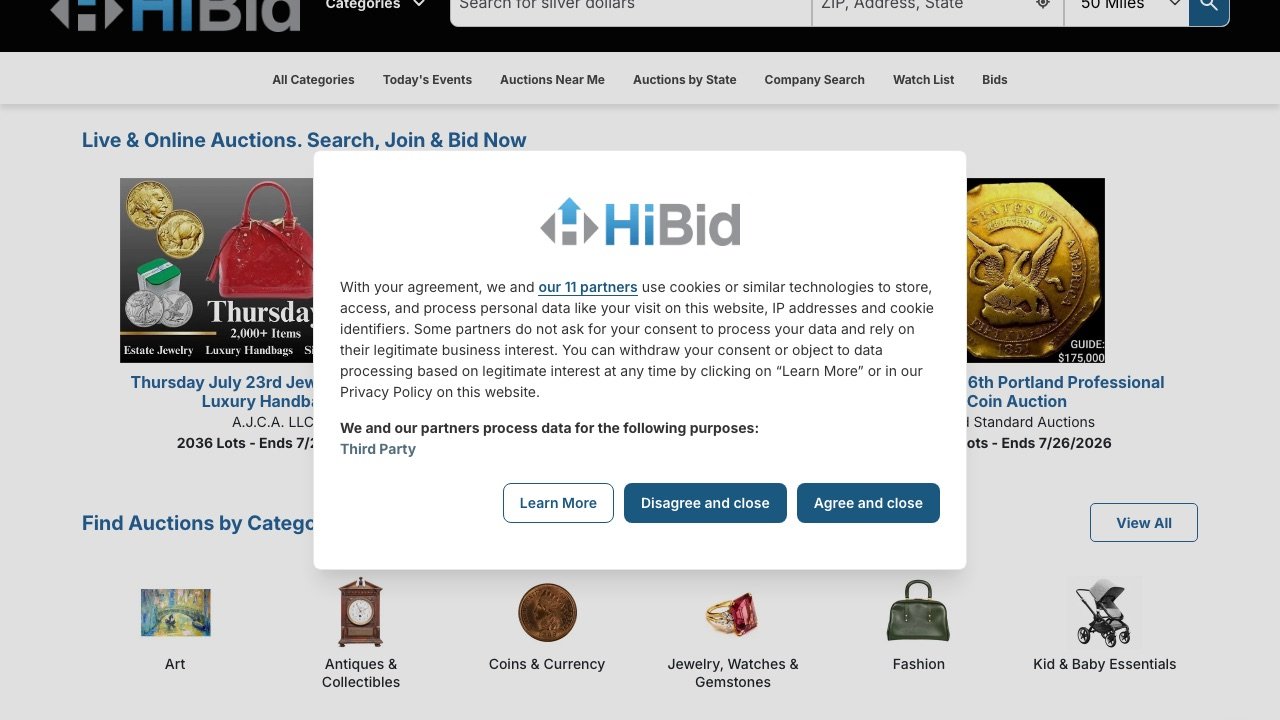
11. HiBid regional listings
A great many local government bodies use a regional auctioneer instead of a dedicated platform, and those auctioneers list on aggregators. Filtering HiBid by location surfaces public sales that appear nowhere else.
12. Foreign and international government disposals
Various national governments run their own surplus platforms. Worth knowing about if you deal in specialist equipment with an international market.
What buyers should watch for
- Everything is as-is. No warranty, no returns, and frequently no opportunity to test.
- Removal deadlines are enforced. Miss the collection window and you may forfeit both the item and your payment.
- Restrictions exist. Ex-military equipment may carry export controls or demilitarisation requirements; vehicles may have title limitations.
- Titles can be slow. Government paperwork moves at government speed. Budget weeks, not days.
- Inspection windows are short and specific. If a lot allows inspection, that is usually the only chance you get.
For agencies on the other side
Every commission paid to a disposal platform is public money spent on a service the agency could run itself. For entities disposing of significant volume, an owned platform frequently costs less annually than the commission and gives complete control over the audit trail.
The requirements are specific — immutable audit logging, genuine role separation between the person listing and the person approving, sealed bid capability for formal procurement, accessibility compliance, and publication of results as a public record. We covered the full build in building a site like GovDeals, with the platform side in auction management system.
Frequently asked questions
Which government auction site has the best prices?
The obscure ones. Price is a function of competition, so state-run programs, small municipalities and Municibid consistently outperform the big national platforms for buyers.
Can anyone bid on government auctions?
Generally yes. Exceptions apply to restricted categories — certain ex-military items, firearms, and anything export-controlled.
Are ex-police vehicles worth buying?
They come with complete maintenance records and disciplined servicing, offset by high mileage and hard idling hours. Good value if you check the service history rather than just the odometer.
