HiBid is the largest network of independent North American auctioneers, and for a lot of houses it is simply where the online bidders are. But scale brings its own problems: your sale sits next to nine hundred others, the internet commission is a permanent line item, and the buyer who registers to bid in your auction becomes the platform’s customer rather than yours.
These eight alternatives each solve a different piece of that.
Direct aggregator alternatives
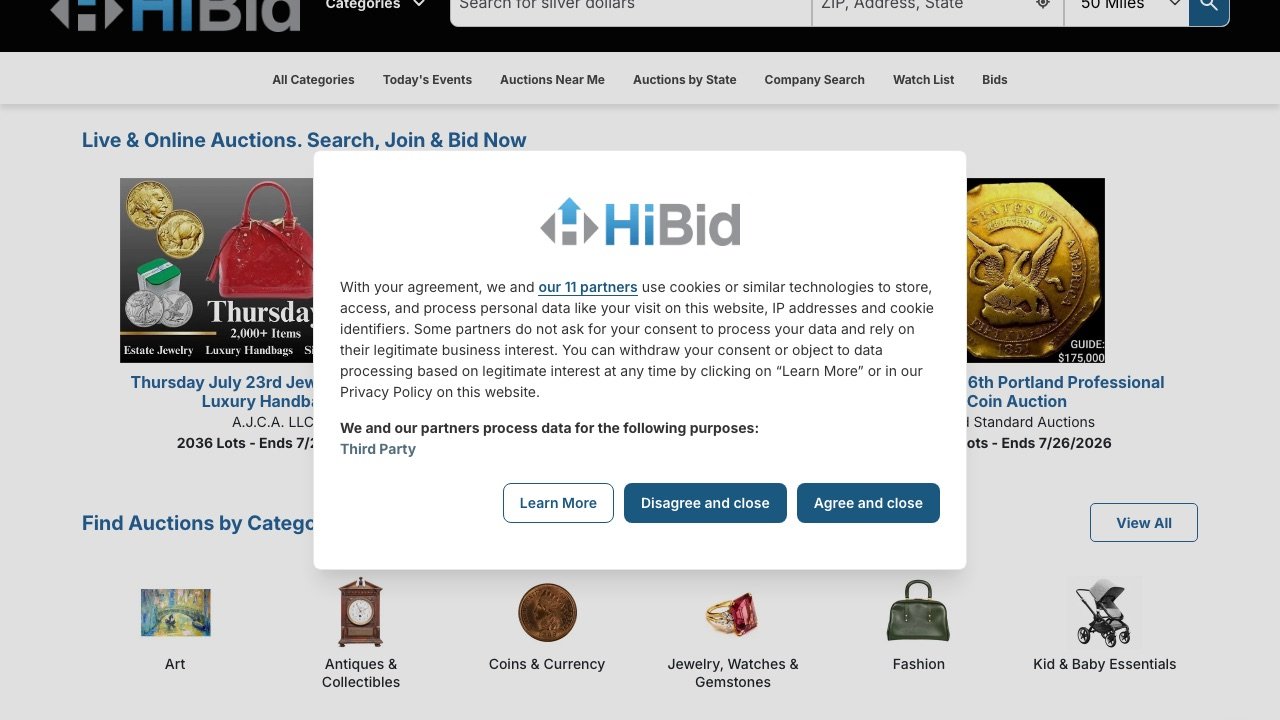
1. Proxibid
The most direct competitor for general-line auctioneers. Strong in firearms, coins, equipment and estate material, with a bidder base that skews slightly more serious than the general-consignment crowd. Commission structures are broadly comparable to HiBid’s.
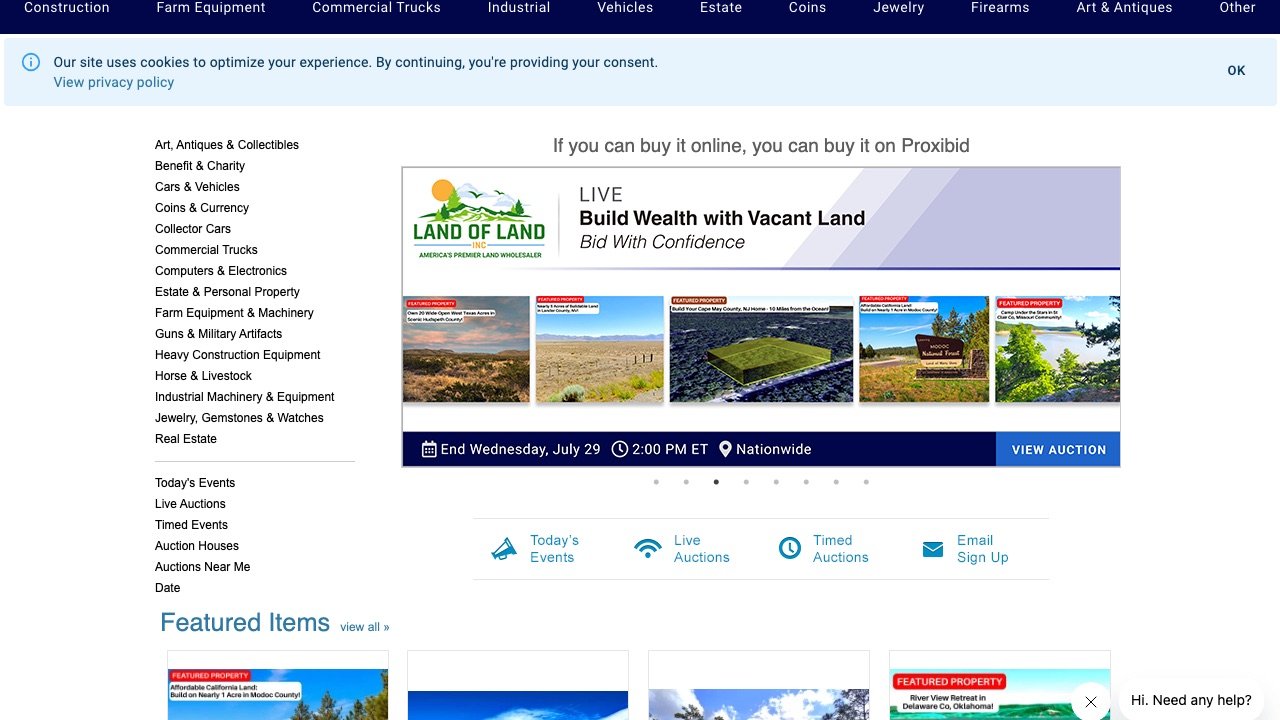
2. AuctionZip
Deep roots in the estate and antiques community, particularly on the US East Coast. The interface shows its age, but the audience is specific and loyal in a way newer platforms have not replicated.
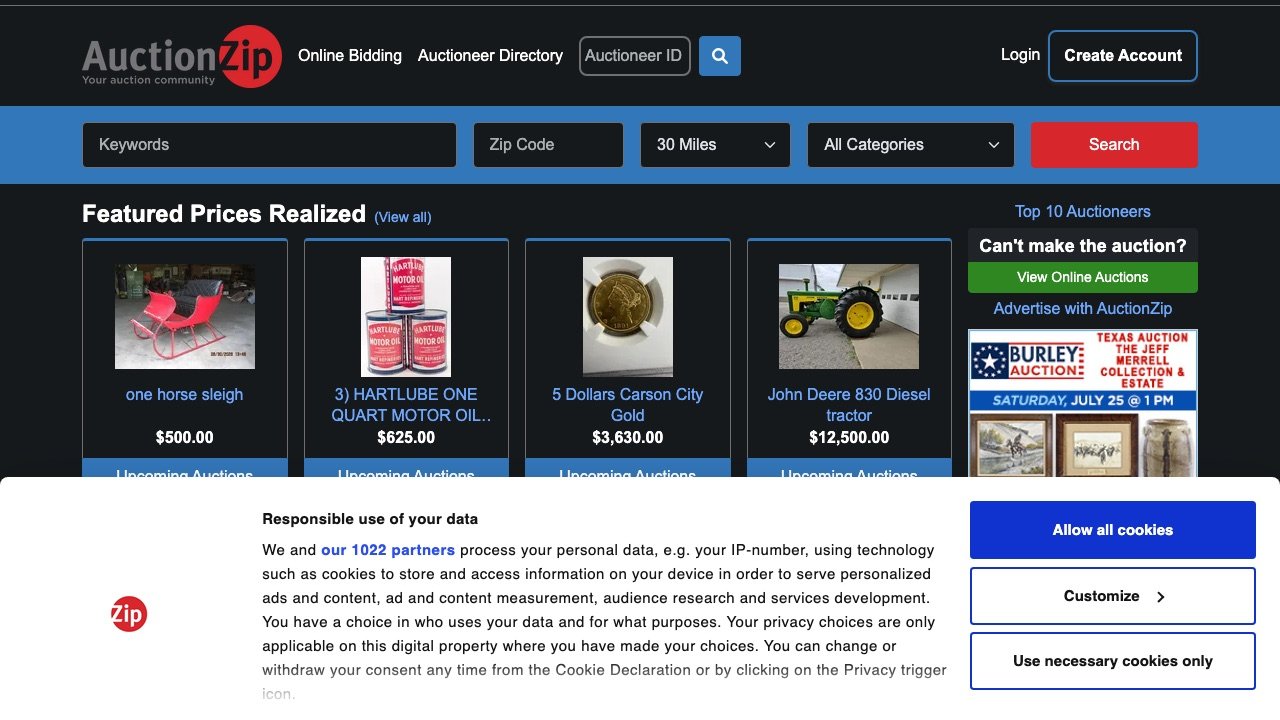
3. Maxanet
A long-established platform used by many independent auctioneers, particularly for timed online sales. Less consumer marketing than HiBid, more of a straightforward tool.
Category specialists
4. LiveAuctioneers and 5. Invaluable
If your consignments are art, antiques, jewellery or decorative arts, these deliver a materially better audience than a general aggregator — collectors and dealers rather than bargain hunters. The premium structures are heavier, but so are the results on good material.
6. EquipmentFacts
The right choice for heavy equipment and agricultural machinery sales. A general aggregator will put your excavator in front of people shopping for furniture; EquipmentFacts puts it in front of contractors.
7. BidSpotter
Industrial plant, machine tools and manufacturing closures. Completely different bidder profile — plant managers and engineers.
The one that changes the structure
8. Your own white-label bidding platform
The genuine alternative, and increasingly the default among established houses. Instead of renting an audience, you run bidding on your own branded site and use aggregators selectively as a marketing channel for lots that need extra reach.
What changes when you do this:
- You keep the internet commission. On a house doing meaningful online volume this is the single largest saving.
- You own the bidder list. Every registration becomes your customer record, emailable about your next sale.
- You control the terms. Your premium, your increments, your payment window, your presentation.
- You get the data. Which lots got watched, which bidders dropped out where, what your real conversion looks like by category.
The functional requirement is not exotic — catalogue management, timed and simulcast live bidding, clerking, absentee and phone bids, invoicing with premium and tax logic, and consignor settlement. That is the scope covered by auctioneer software, with the back office in auction management system.
The hybrid approach most houses land on
Very few auctioneers go cold turkey on aggregators, and they should not. The pattern that works:
- Run every sale on your own platform as the primary channel, and drive your existing buyer list there
- Simulcast to one aggregator for reach on sales that genuinely need a national audience
- Track registration source, and watch what share of hammer actually comes from the aggregator
- Over time, as your own list grows, reduce aggregator dependence deliberately rather than accidentally
Most houses find the aggregator contribution is smaller than assumed once they measure it properly — a lot of “internet bidders” were already their own customers who simply registered through the platform.
Cost guidance is in how much it costs to build an auction website, and the platform comparison in our rundown of Proxibid alternatives.
Frequently asked questions
Will I lose bidders by leaving HiBid?
Some, initially. Which is why the hybrid approach exists — keep simulcasting while you build your own list, and measure the real contribution rather than guessing.
Can I run my own platform and an aggregator simultaneously?
Yes, though simulcasting a live sale to multiple platforms at once adds real clerking complexity. Timed online sales are much simpler to run in parallel.
What does a white-label platform cost?
For most regional houses, less annually than the internet commission currently paid. Talk to our team for a comparison against your actual numbers.
