Car auctions split into four worlds that barely overlap: salvage, dealer wholesale, enthusiast and public. Registering on the wrong one wastes weeks, because half of them will not let you bid at all without a dealer licence. This guide sorts the twelve that matter by which world they belong to.
We build car auction software for dealers and independent auction operators, so the notes below lean toward how each platform actually works rather than marketing copy.
Salvage and insurance auctions
1. Copart
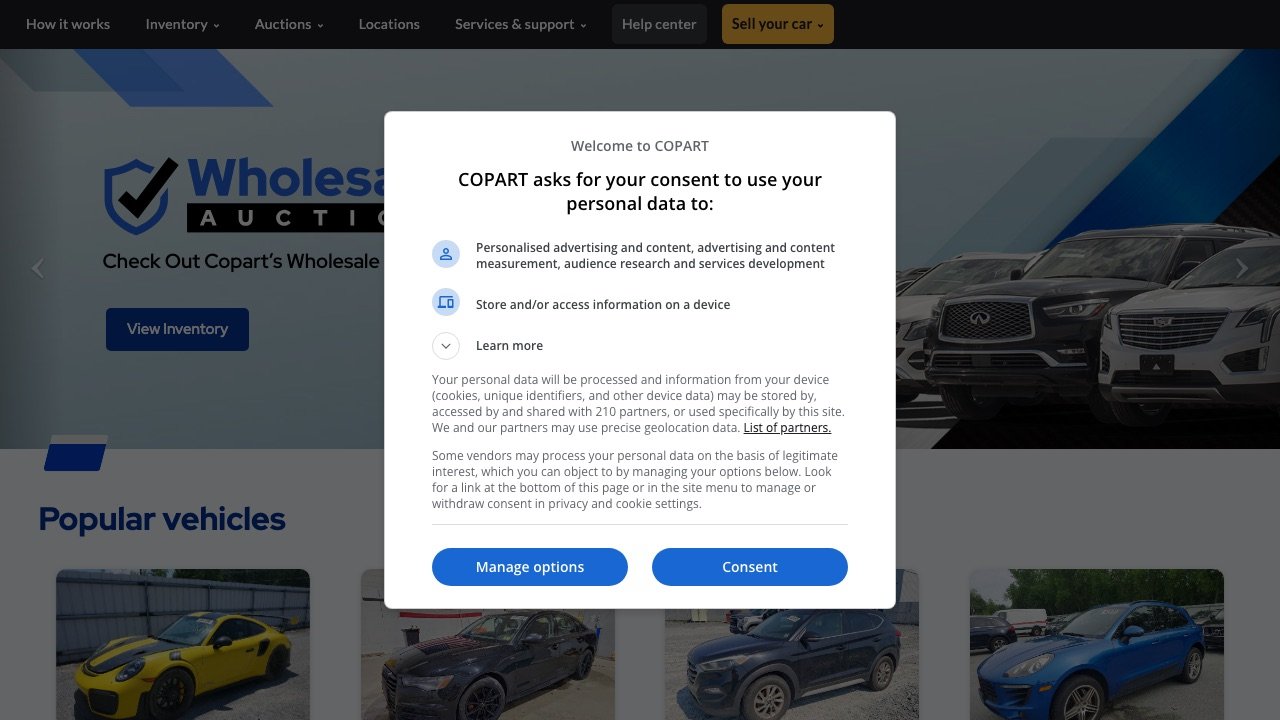
The largest salvage network in the world, with physical yards across North America and beyond. Inventory is overwhelmingly insurance write-offs, theft recoveries and fleet disposals. Bidding is member-gated, and in most US states you need a licence or a registered broker to buy anything with a branded title.
The bidding technology is worth studying: Copart runs a two-stage process where preliminary bids are placed against a proxy maximum, then the lot goes to a live virtual sale. It handles enormous simultaneous concurrency without falling over, which is not trivial.
2. IAAI
Insurance Auto Auctions is Copart’s closest competitor and operates on a similar model. Different insurance carrier relationships mean different inventory, so serious salvage buyers register with both rather than choosing. IAAI’s condition reporting and 360-degree imagery tend to be slightly more generous.
3. Salvagebid and 4. AutoBidMaster
Broker services that let non-licensed buyers access Copart and IAAI inventory for a fee. Useful for one-off purchases, expensive as a business model if you buy regularly. The broker fee typically stacks on top of the platform’s own gate and buyer fees.
Dealer-only wholesale
5. Manheim
The centre of gravity for North American wholesale. Physical lanes plus a substantial digital operation, and the MMR valuation data alone is a reason many dealers stay. Dealer licence required, no exceptions. Fees are structured around sale price bands rather than a flat percentage.
6. ADESA
Manheim’s primary competitor, now under Carvana ownership. Similar lane-plus-digital structure with different consignor relationships. Dealers who run volume typically maintain accounts at both.
7. ACV Auctions
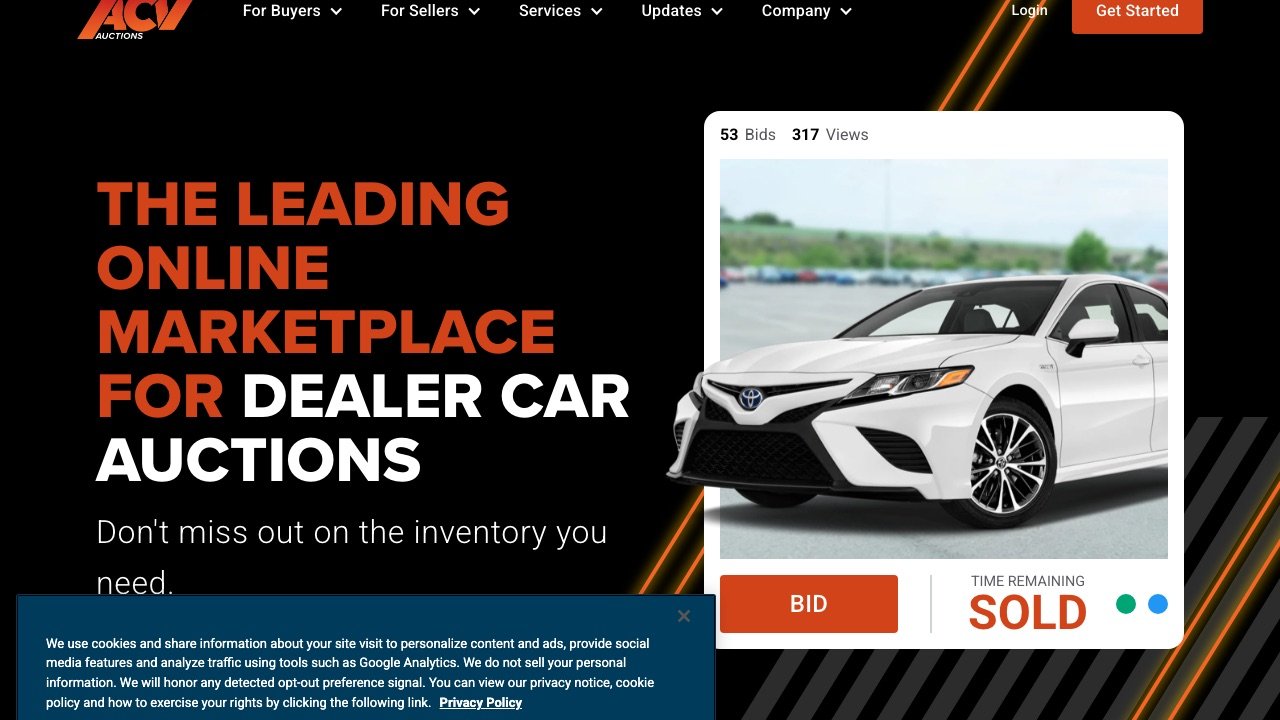
The interesting one technically. ACV built its position on inspection quality — a trained inspector produces a standardised condition report including an audio recording of the engine — and runs short, sharp online-only sales. It is a good case study in how a differentiated trust layer beats a bigger catalogue. We wrote about that dynamic in physical vs. online car auctions.
8. OPENLANE
Digital-first wholesale with strong off-lease and fleet inventory. Worth an account for dealers focused on late-model retail-ready stock.
Enthusiast and collector
9. Bring a Trailer
The reference point for the modern enthusiast auction. Heavy submission curation, a comment section that functions as live due diligence, and a flat buyer’s fee capped at a fixed ceiling. Sellers routinely achieve above-guide results because the audience is genuinely knowledgeable.
10. Cars & Bids
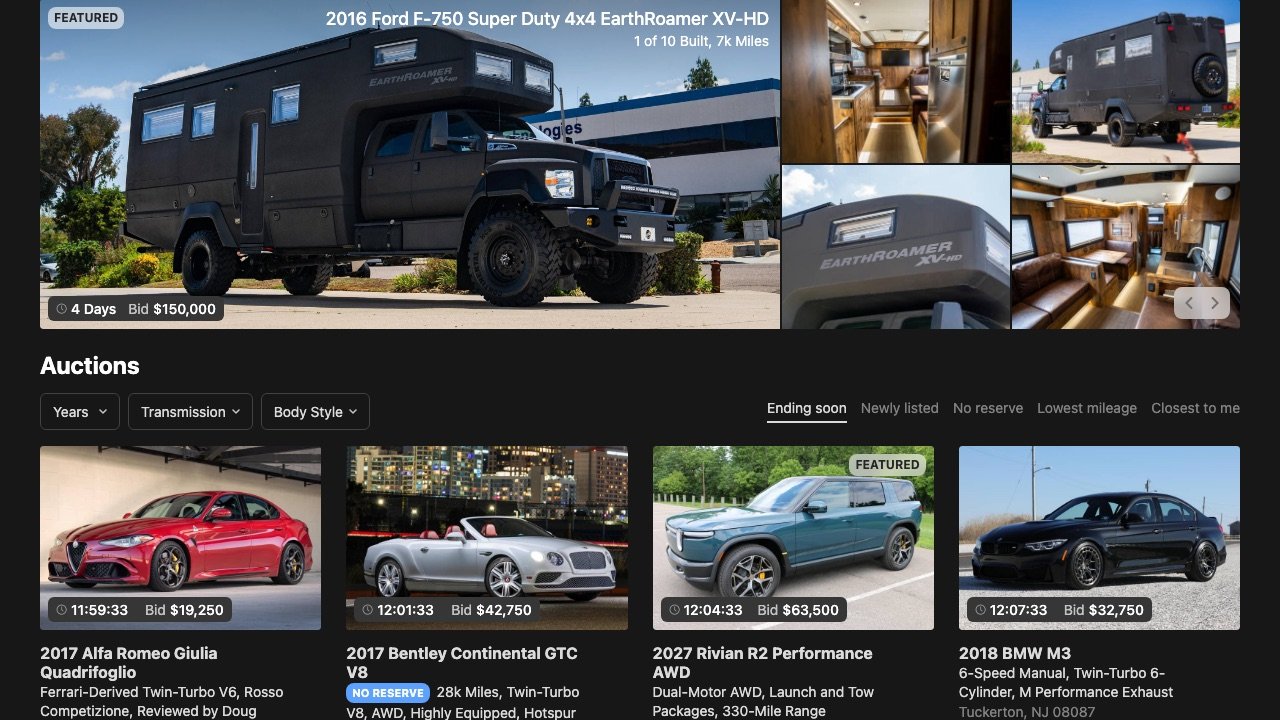
Founded by Doug DeMuro, focused on modern enthusiast cars from the 1980s onward. Younger audience, faster listing turnaround, and a slightly less formal tone. Strong results for the specific niche it serves.
11. RM Sotheby’s and Gooding & Company
The top of the collector market, where a single lot can clear seven figures. Consignment is selective and the process is closer to a fine art sale than a car auction.
Public access
12. eBay Motors and local government surplus
eBay Motors remains the most accessible route for private buyers, with no licence gate and reasonable protection. Municipal fleet disposals through GovDeals and Public Surplus are the underrated option — retired police cruisers and utility trucks with full maintenance histories, sold by an owner who just wants them gone.
If you are on the other side of this
Every dealer group that runs meaningful volume eventually asks the same question: why are we paying a percentage to Manheim on cars we could sell to our own network directly? The answer for a growing number of them is a private bidding platform — dealer-gated, branded, with the fee structure set by you.
That is a well-trodden path now. Start with must-have car auction software features, then launch an online car auction business for the commercial mechanics. Or skip ahead and talk to our team.
Frequently asked questions
Can I buy from Copart without a dealer licence?
In some states, for some title types, yes. For branded and salvage titles you will generally need a licence or a registered broker. Rules vary by state and change, so verify before you bid.
Which car auction site is cheapest for buyers?
Government surplus is consistently the lowest all-in cost because fees are minimal and sellers are not optimising for price. Salvage is cheapest per unit but carries the highest repair risk.
What fees should I expect?
Salvage platforms stack gate fees, buyer fees and internet bidding fees that can add 15-25% on cheaper lots. Enthusiast sites typically charge a flat capped buyer’s premium. Wholesale uses banded fee schedules.
