StorageTreasures is the default platform for self-storage lien sales, which means it is also where every experienced buyer is looking. Popular markets are efficiently priced, and the margins that made the television show entertaining are largely gone from the busiest metros.
Here are seven alternatives — useful for buyers wanting thinner competition, and for operators wanting lower fees.
Direct competitors
1. iBid4Storage
A smaller platform with a loyal base of independent facilities. Fewer bidders per unit, which is precisely the point if you are buying. Worth checking specifically because most buyers never do.
2. Lockerfox
Another independent-focused platform with a similar profile. Adequate reach for a facility with routine delinquency volume, and less competition for buyers.
3. StorageAuctions.com
Long-running listing platform covering both online sales and traditional in-person auctions run by live auctioneers.
4. Bid13
Regionally focused with a straightforward interface and a growing footprint among mid-size operators.
Adjacent sources
5. HiBid and local auctioneers
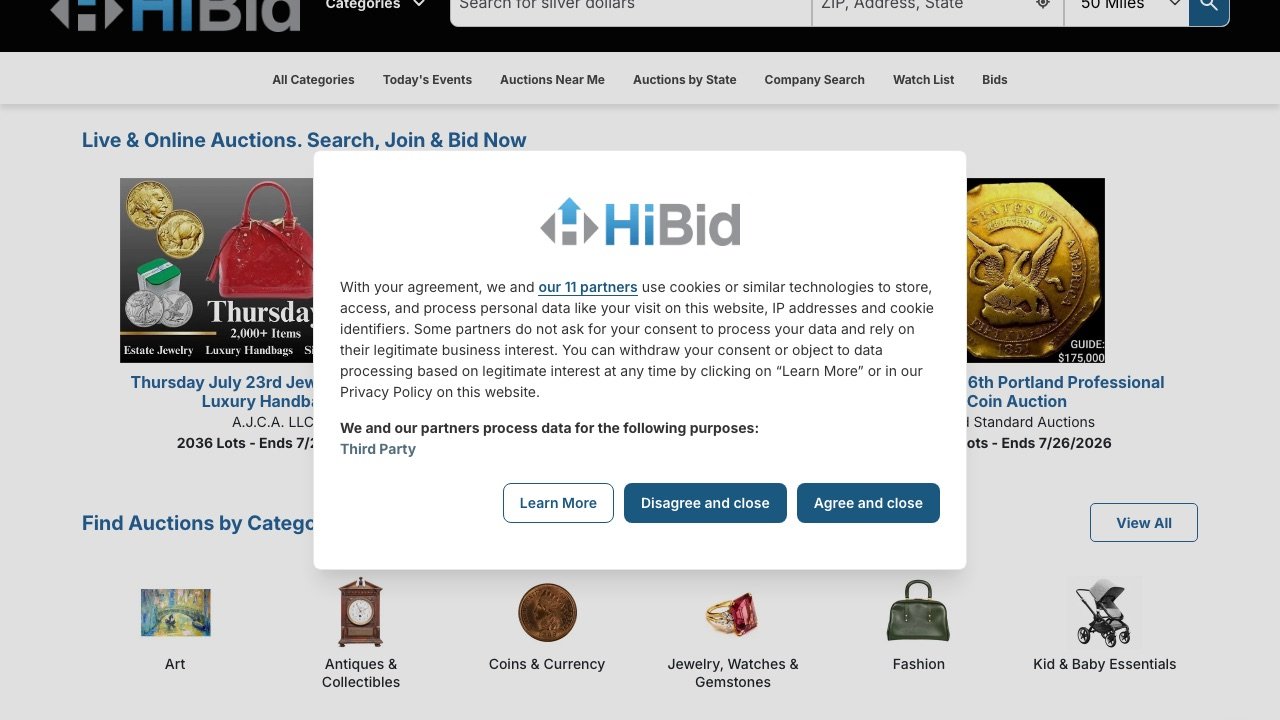
Many smaller facilities still use a local auctioneer rather than a dedicated storage platform, and those auctioneers list on aggregators. Searching HiBid by location surfaces sales that never appear on the specialist sites — and because storage buyers do not search this way, competition is minimal.
6. GovDeals and municipal impound sales
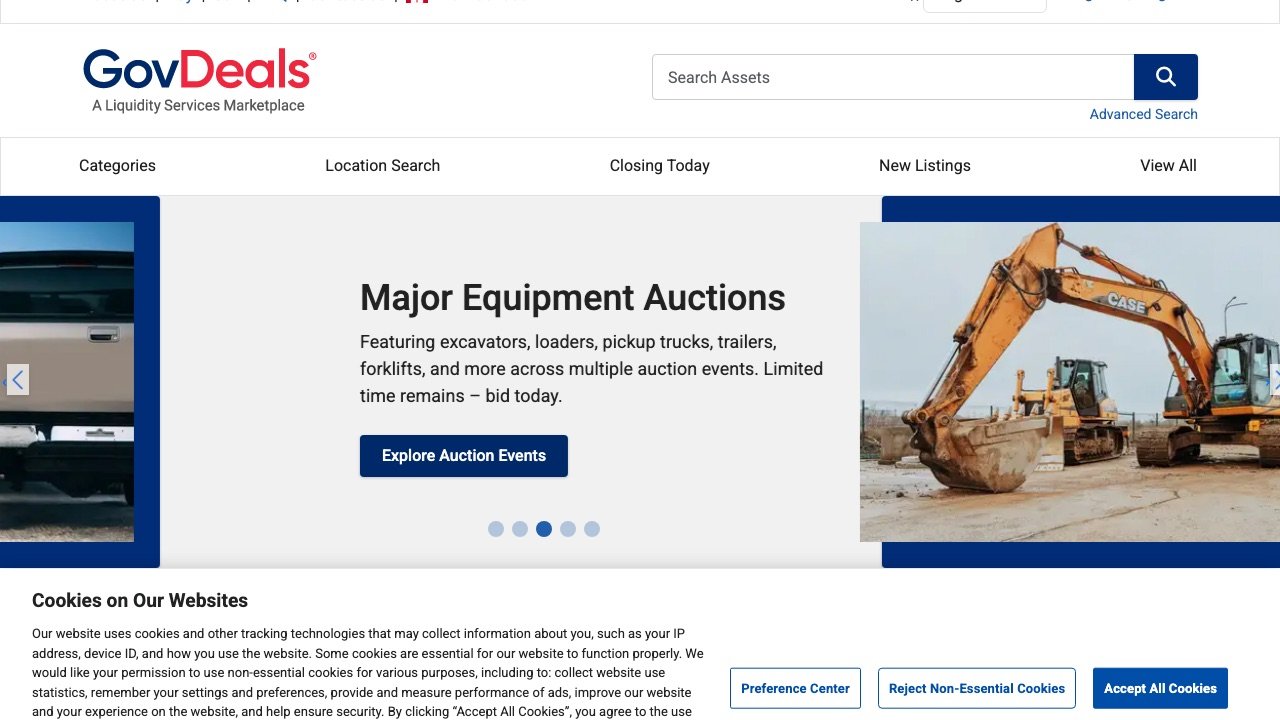
Not storage lien sales, but the same “contents unknown” dynamic with the same skills required. Municipal impound lots and abandoned property disposals, sold by agencies with no profit motive.
7. Direct facility relationships and local advertising
The least glamorous and frequently the most profitable. Smaller independent facilities in rural markets often advertise only where their state statute requires — a local newspaper, a physical notice. Building relationships with facility managers in your area surfaces sales nobody else sees.
For buyers: where the value has moved
- Secondary and rural markets. Competition follows population. Drive further, pay less.
- Smaller platforms. Every platform you check that others do not is an edge.
- Weekday and awkward-hour closings. Fewer casual bidders present.
- Units with unhelpful photos. Poor doorway shots suppress bidding without making the contents worse.
- Larger units. Higher clean-out cost deters casual buyers, which thins the field for anyone with a truck and a crew.
Remember the constraints regardless of platform: no entry before bidding, short collection windows, statutory obligation to return personal documents, sales tax and a cleaning deposit. Full detail in the best storage unit auction sites.
For operators: the real question
Facility operators pay a per-unit fee to these platforms, and for a small facility that is entirely reasonable. For an operator running dozens of lien sales a month across multiple sites, it becomes a meaningful cost — and the platform is providing an audience that, for standard household units, matters less than most operators assume.
What actually matters to an operator is the compliance workflow: statutory clocks per jurisdiction, notice generation with proof of service, an absolute cure halt if the tenant pays, doorway photo standards, proceeds allocation and surplus fund handling with escheatment.
That is the real product, and getting it wrong is a legal problem rather than a commercial one. We set out the full build in building a storage lien auction platform, with the operational layer in auction management system and jurisdiction rules engines in custom auction software.
Frequently asked questions
Which storage auction site has the best deals?
The smaller ones, and local auctioneer sales that never reach a storage-specific platform. Price is a function of how many people are looking.
Can operators run their own lien auctions?
Yes, and larger operators increasingly do. The compliance workflow is the hard part, not the bidding.
Do I need a licence to buy storage units?
Generally no, though a resale certificate is useful for sales tax and some jurisdictions have specific requirements. Check locally.
