Domain auctions are one of the purest auction markets in existence. The asset is entirely digital, transfer is near-instant, there is no shipping, no condition, and no authentication problem. What remains is pure price discovery — which makes it an interesting category to study even if you never buy a domain.
Here are the eight venues that matter and how each one works.

Expiry and aftermarket auctions
1. GoDaddy Auctions
The largest by volume, driven by expiring domains from the world’s biggest registrar. Three distinct inventory types run here: expired domains entering the auction cycle, closeouts that failed to sell, and owner-listed aftermarket names.
The expiry pipeline is worth understanding — a lapsed domain moves through renewal grace, redemption and then auction on a defined schedule, and knowing that timeline is most of the skill in this market.
2. Dynadot and Namecheap Marketplace
Registrar-operated auction platforms with their own expiring inventory. Smaller pools, correspondingly less competition, and occasionally genuine value for the same reason.
3. DropCatch and Snapnames
Drop-catching services that attempt to register a domain the instant it becomes available, then auction it among their subscribers if more than one wants it. This is a technical arms race as much as a marketplace — success depends on registrar connections and timing precision measured in milliseconds.
Aftermarket marketplaces
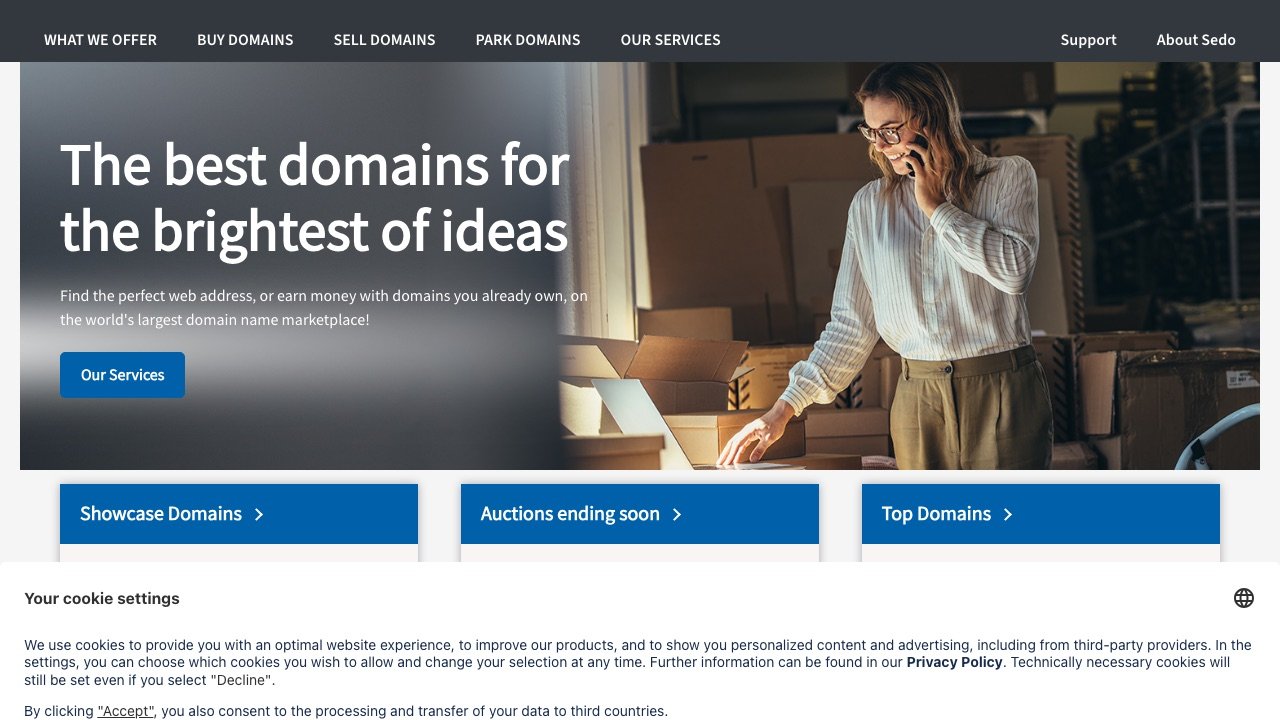
4. Sedo
The largest domain marketplace outside the registrars, with both fixed-price listings and auctions, plus a brokerage service for high-value names. Strong European presence and genuine depth in non-English domains.
5. Afternic
Aftermarket marketplace with distribution across a wide registrar network, meaning a listed domain appears in search results at many registrars simultaneously. That distribution is the real product.
6. Atom (formerly Squadhelp)
Brandable names rather than keyword domains, sold with logos and branding packages. A different value proposition — you are buying a brand identity, not a search term.
Website and business auctions
7. Flippa
Websites, apps and online businesses rather than bare domains. Auction and classified formats, with financial verification on larger listings. The due diligence burden sits with the buyer and it is substantial — traffic and revenue claims need independent verification.

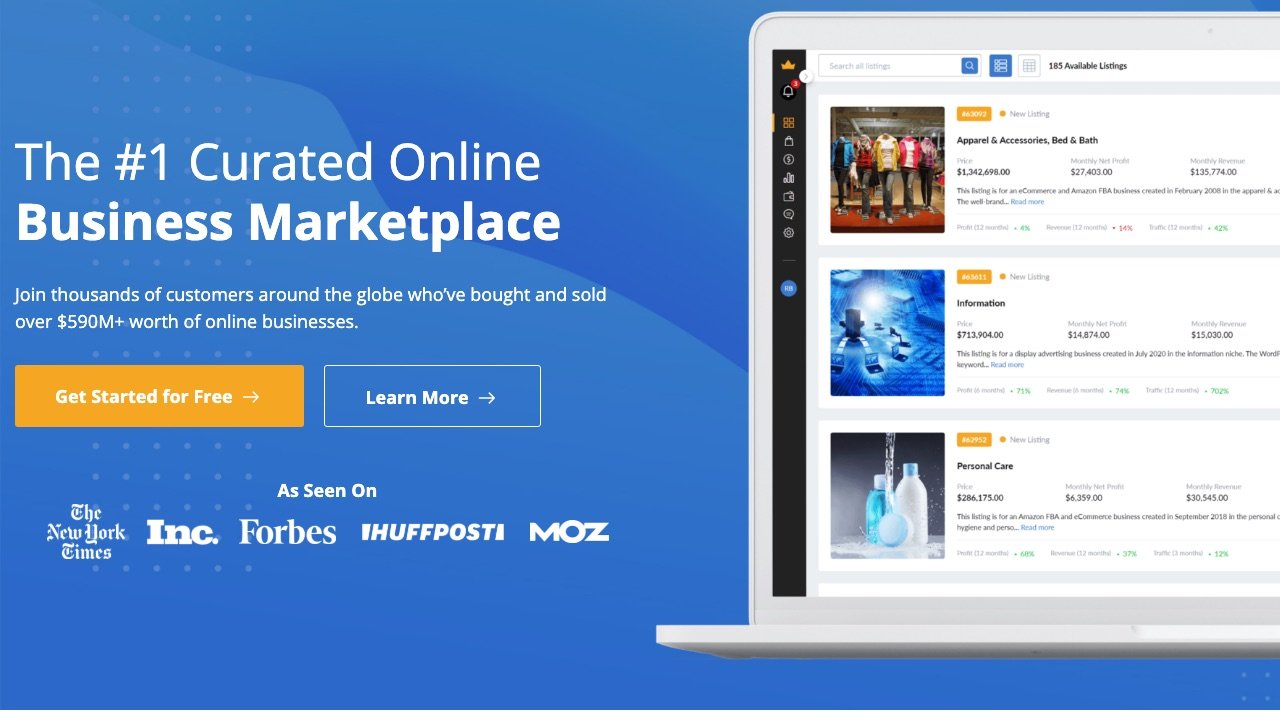
8. Empire Flippers
Curated marketplace for established online businesses, with vetting and financial verification before listing. Higher price points, considerably lower risk, and a fee structure that reflects the work done.
What makes domain auctions technically unusual
Several things that make this category distinctive from a platform-building perspective:
- Instant, verifiable transfer. No shipping, no condition dispute. Settlement is an authorisation code and a registrar push.
- Escrow is standard and genuinely necessary at higher values, since the buyer must pay before the transfer completes.
- Extreme soft close. Domain auctions typically extend by several minutes on any late bid, and often run far past the scheduled end. Without it, sniping would dominate entirely — the asset is perfectly fungible in timing terms.
- Automated valuation is more meaningful here than in almost any other category, because comparable sales data is abundant and the attributes — length, extension, keyword value, age — are machine-readable.
- Proxy bidding is universal, since auctions close at all hours across time zones. See proxy bidding.
Practical advice for buyers
- Check trademark exposure before bidding. Buying a domain that infringes a mark is buying a legal problem.
- Check history. A domain previously used for spam may carry search penalties that are difficult to reverse. Archive tools and backlink checkers will tell you.
- Renewal costs vary enormously by extension. Some newer TLDs carry high recurring fees that dwarf the purchase price over a few years.
- Verify traffic claims independently on any domain sold on the basis of existing visitors.
- Use escrow on anything meaningful, always.
What this category teaches about auction design
Domain auctions are the cleanest demonstration of why anti-sniping matters. Because there is no shipping, no condition and no relationship, bidders have zero reason not to snipe — and platforms that did not extend aggressively saw bidding concentrate entirely into the final second, suppressing prices.
The lesson transfers to every category: a soft close is not a courtesy to slow bidders, it is a mechanism that protects the seller’s realised price. Anyone running auctions on any platform should be using one. See auction website builder for how closing rules are configured.
Frequently asked questions
How does a domain get into an expiry auction?
When an owner fails to renew, the domain passes through a grace period and a redemption period before entering the registrar’s auction cycle. The exact timeline varies by registrar and extension.
Should I use escrow for a domain purchase?
On any meaningful amount, yes. Escrow releases funds only after transfer completes, which protects both parties.
Are website auctions riskier than domain auctions?
Considerably. A bare domain is what it is; an operating business involves traffic, revenue and operational claims that all need independent verification. Curated, vetted marketplaces charge more precisely because they do that work.
