OneCause is a capable, established platform, and for large organisations running a full event fundraising programme it earns its position. It is also priced accordingly, and a great many nonprofits are paying enterprise rates for one gala a year.
Here are eight alternatives, honestly positioned by the size of organisation each actually suits.
Comparable enterprise platforms
1. GiveSmart
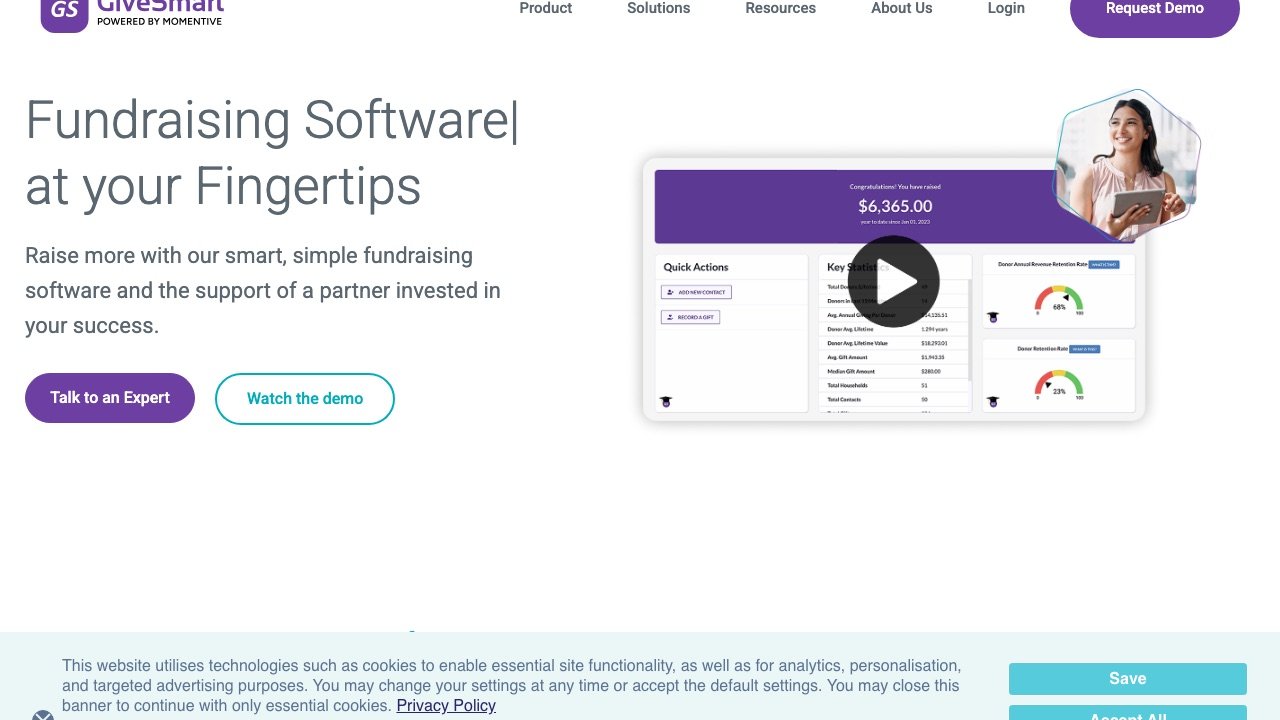
The most direct competitor. Ticketing, silent and live auction, text-to-give, donor management and reporting in one platform. Comparable capability, and worth quoting against OneCause because pricing is negotiable and competitive tension helps.
2. Greater Giving
Particularly strong on payment processing and the check-in and checkout workflow. For a large gala, the speed at which 400 guests can check in and later pay is the difference between a smooth evening and a queue nobody forgets. This is where Greater Giving is genuinely good.
3. Qgiv
Broader fundraising platform with auction capability, suited to organisations wanting auctions integrated into a year-round giving programme rather than treated as a standalone event.
Mid-market and mobile-first
4. Handbid
Designed mobile-first from the ground up, with a genuinely well-executed bidder app and strong live event tooling — leaderboards, fund-a-need, paddle raise. Often better value than the enterprise platforms for organisations whose primary need is a well-run gala rather than a full fundraising suite.
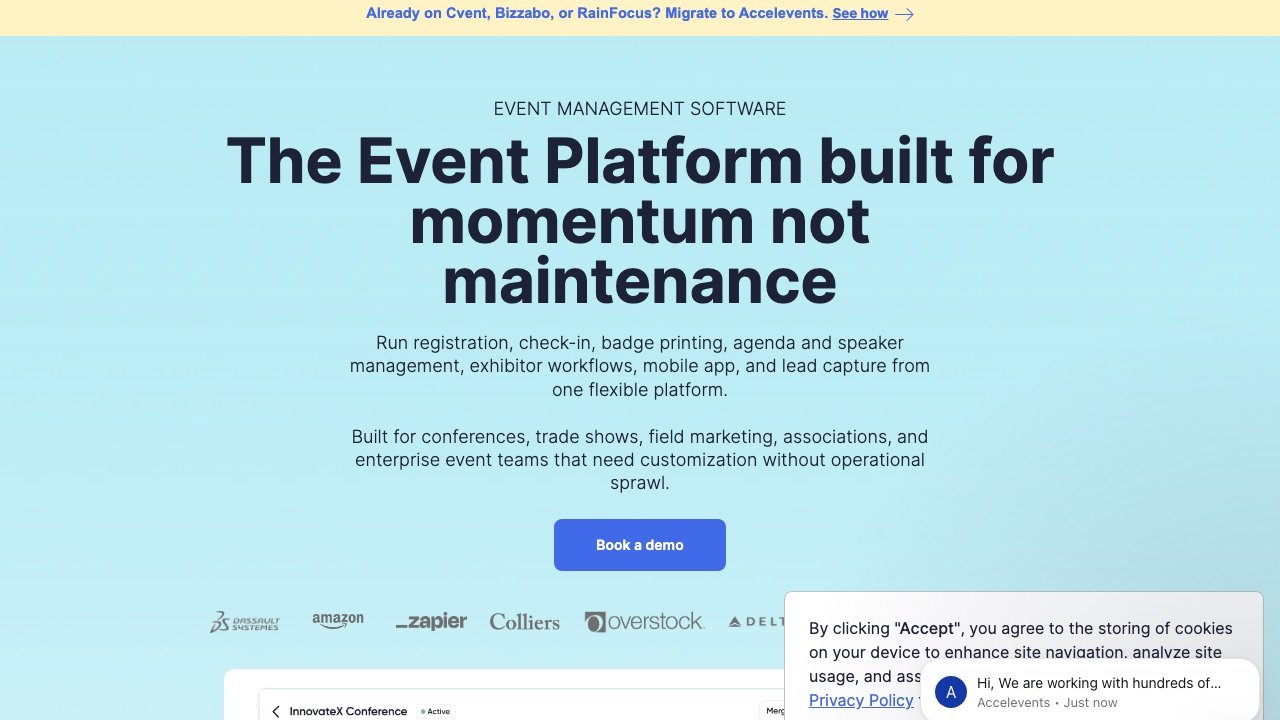
5. Accelevents
Event platform with solid auction functionality, useful when the auction sits inside a larger event with ticketing, sessions and sponsors to manage.
6. Auctria
Strong item and donor management with flexible pricing. Popular with schools and community organisations, and considerably cheaper than the enterprise tier for comparable core functionality.
Budget options
7. BiddingOwl and 8. 32auctions
Purpose-built for silent auctions at a fraction of enterprise cost, with 32auctions offering a genuinely usable free tier funded by optional bidder contributions. For a single modest event, these are entirely adequate and the saving is real.
Our fuller comparison of that tier is in 32auctions alternatives.
How to compare them properly
Feature grids are close to useless here because every platform lists the same features. These are the questions that actually distinguish them:
- Who bears the cost? Platform fee, payment processing, or an optional bidder-covered fee at checkout. This changes your net take more than any feature.
- How fast is checkout at the end of the night? Card-on-file at registration, charged automatically at close, is the single most valuable capability. Ask to see it demonstrated.
- Does it work on poor venue wifi? Ballroom connectivity is famously bad. Ask specifically how the bidder experience degrades.
- Can you export your donor data, and does it sync to your CRM? Your bidder list is a fundraising asset. If it is trapped, you are renting your own donors.
- What does support look like on event night? A named contact reachable at 8pm on a Saturday is worth paying for.
When owning the platform makes more sense
Two things push organisations toward their own platform. The first is arithmetic: a nonprofit running four or five auction events a year, plus a year-round online auction, frequently pays more in per-event fees than an owned platform costs.
The second is data. Every bidder on a hosted platform is a record in someone else’s system. On your own, each one becomes a donor you can steward year-round, integrated with your CRM, with a complete giving history attached.
See silent auction software for what an owned deployment includes, and how non-profits triple donations with silent auction software for the fundraising case.
Frequently asked questions
Is mobile bidding worth it for a small event?
Below roughly 50 guests, paper may still be fine. Above that, outbid notifications alone typically justify the cost — see auction software vs. paper bidding.
Can bidders cover the platform fee?
On several platforms, yes — an optional contribution at checkout. Uptake is usually high, which can make the platform close to free.
How far ahead should we choose a platform?
At least eight weeks before the event. Item entry, testing and volunteer training take longer than anyone expects.